

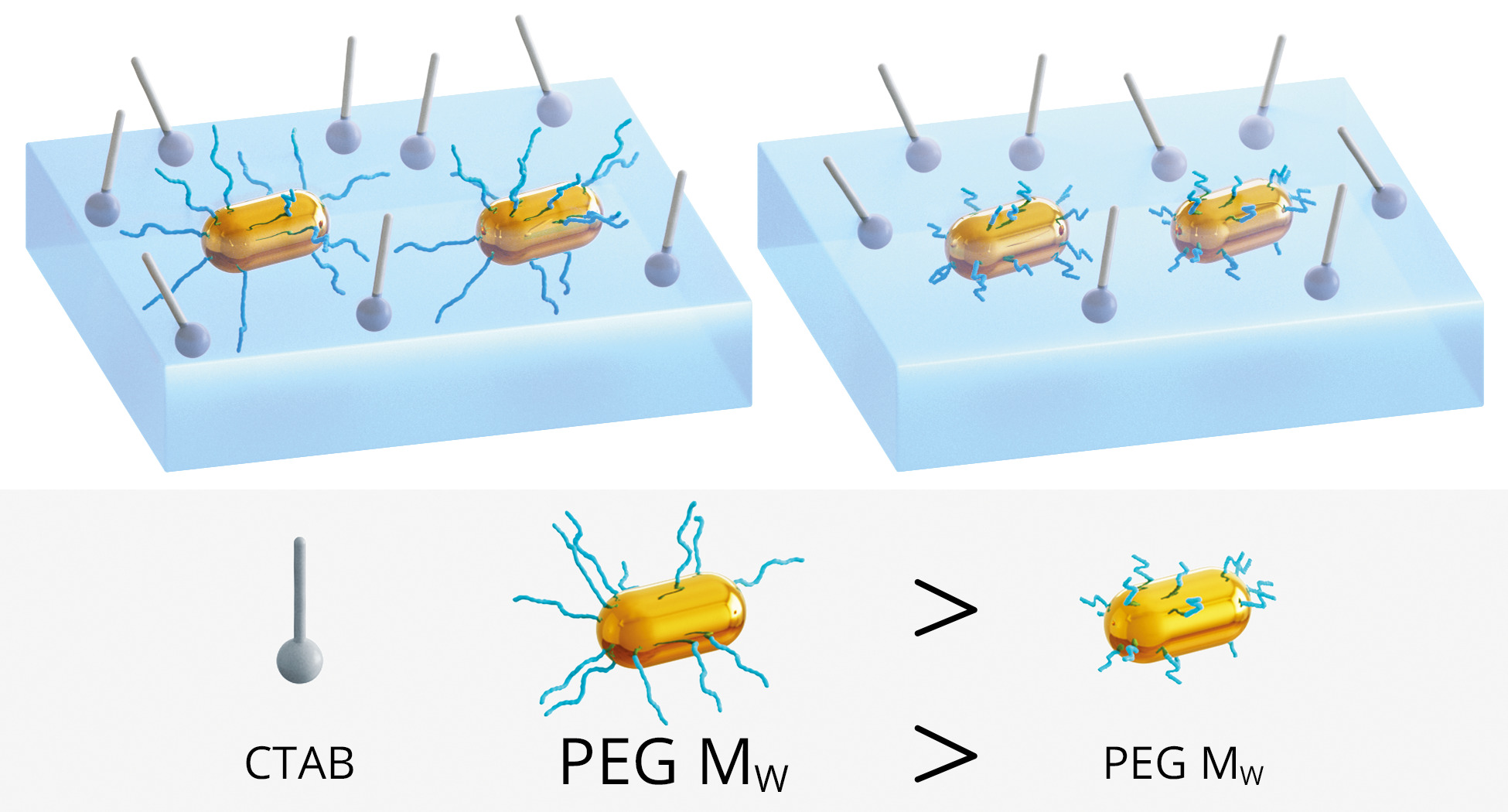
 Design, synthesis, and functionalization of metallic nanoparticles, with a particular focus on gold nanoparticles.
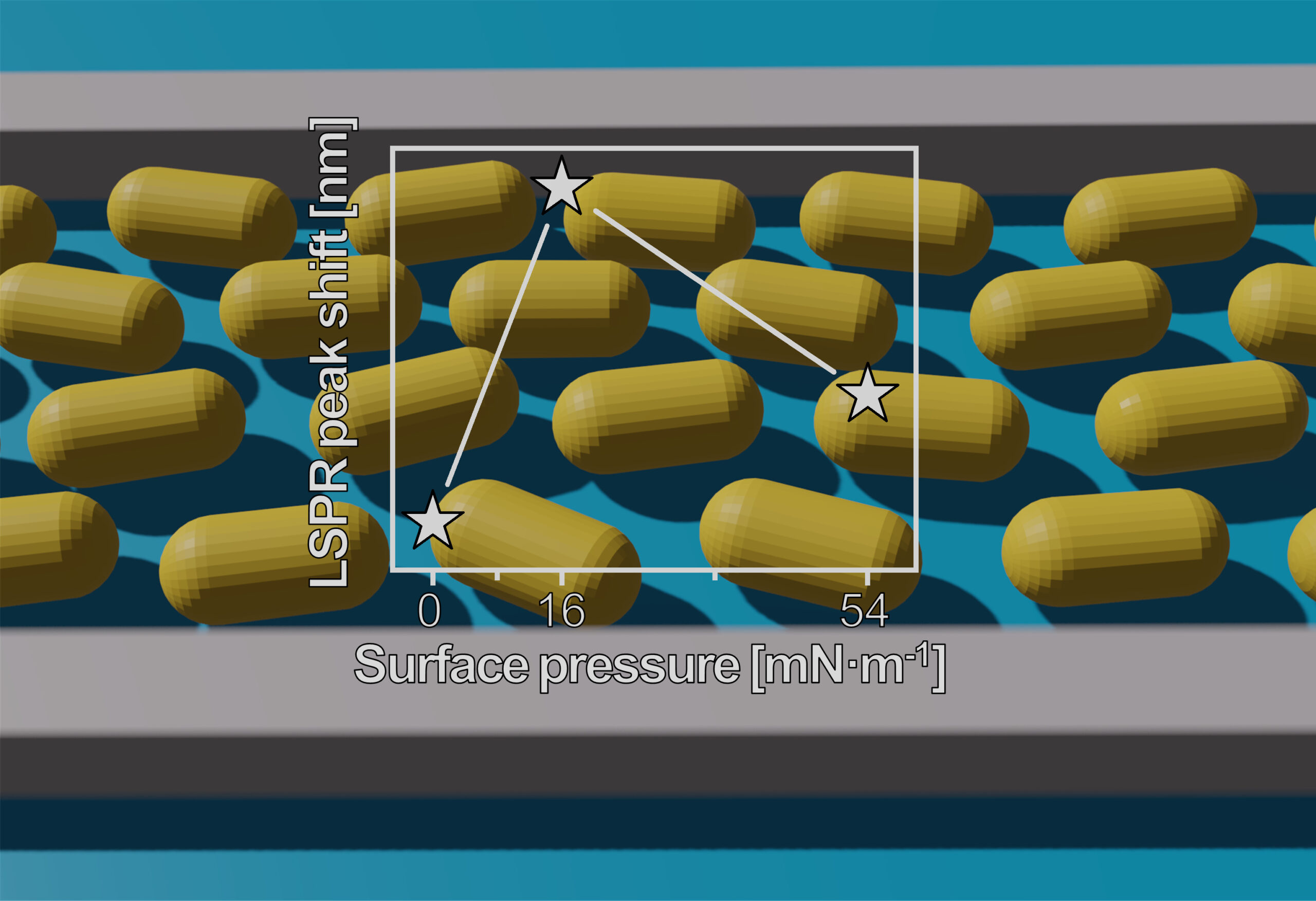
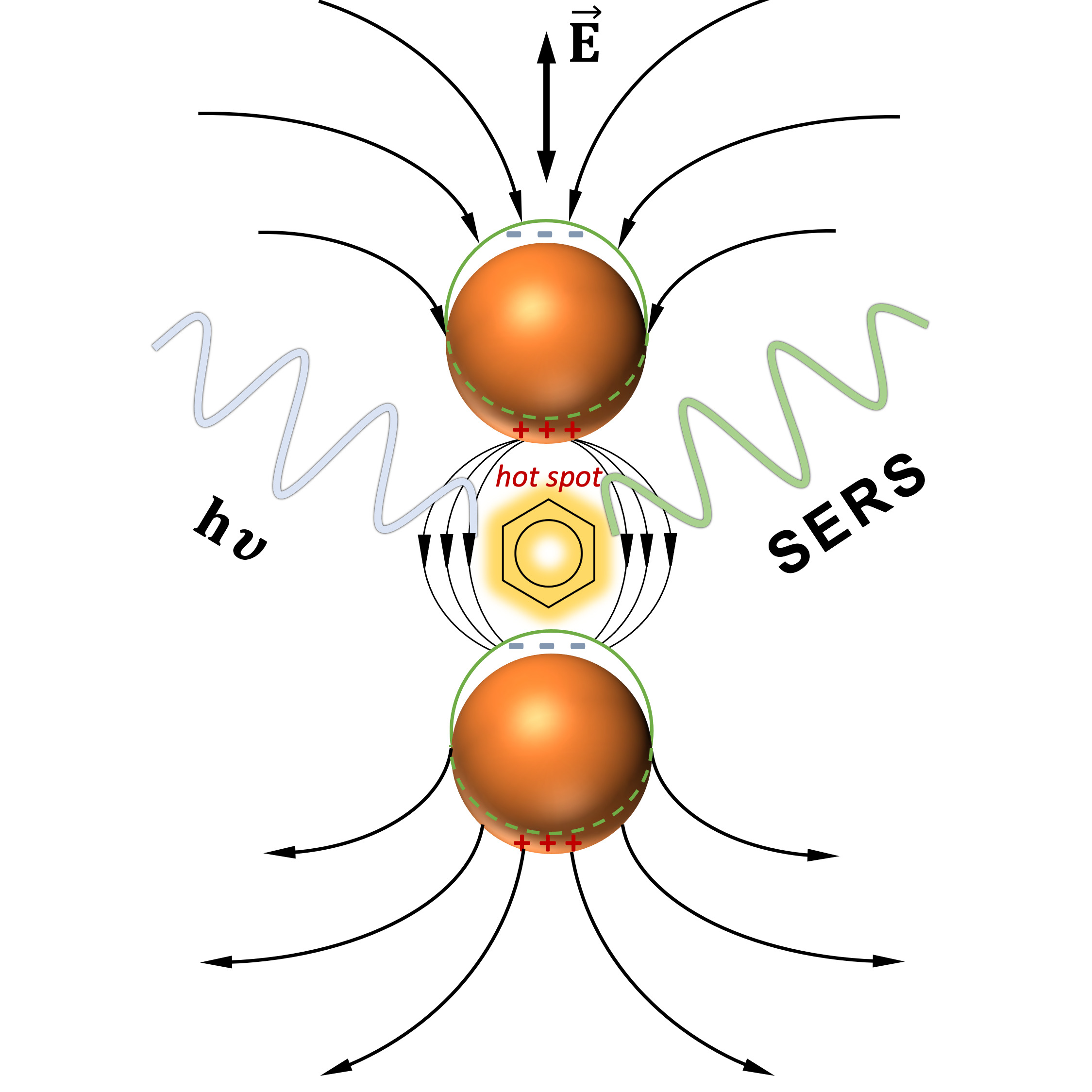
Investigation of the optical and plasmonic properties of nanomaterials, including localized surface plasmon resonance (LSPR), plasmon coupling, and plasmon hybridization phenomena.
Studies of the photothermal properties of nanoparticles and their interactions with the surrounding environment, particularly in the context of converting electromagnetic radiation into heat.
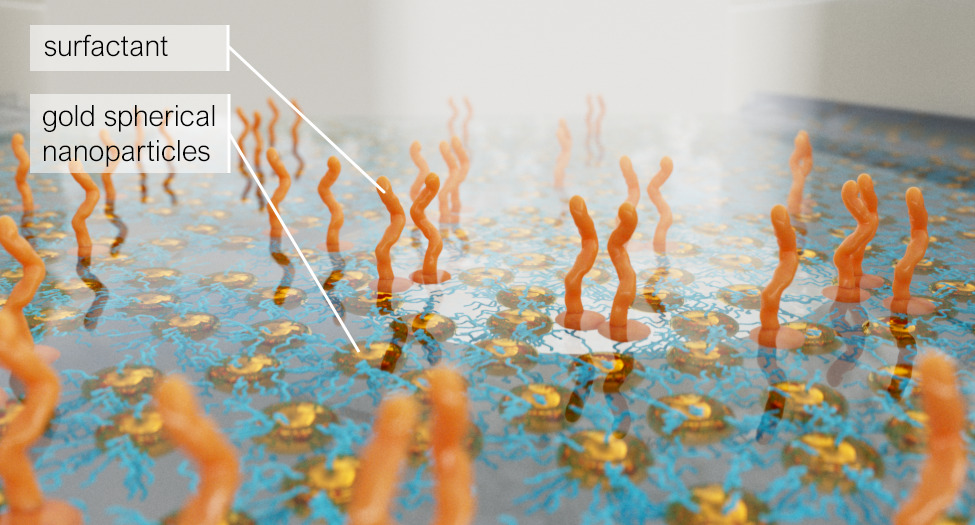
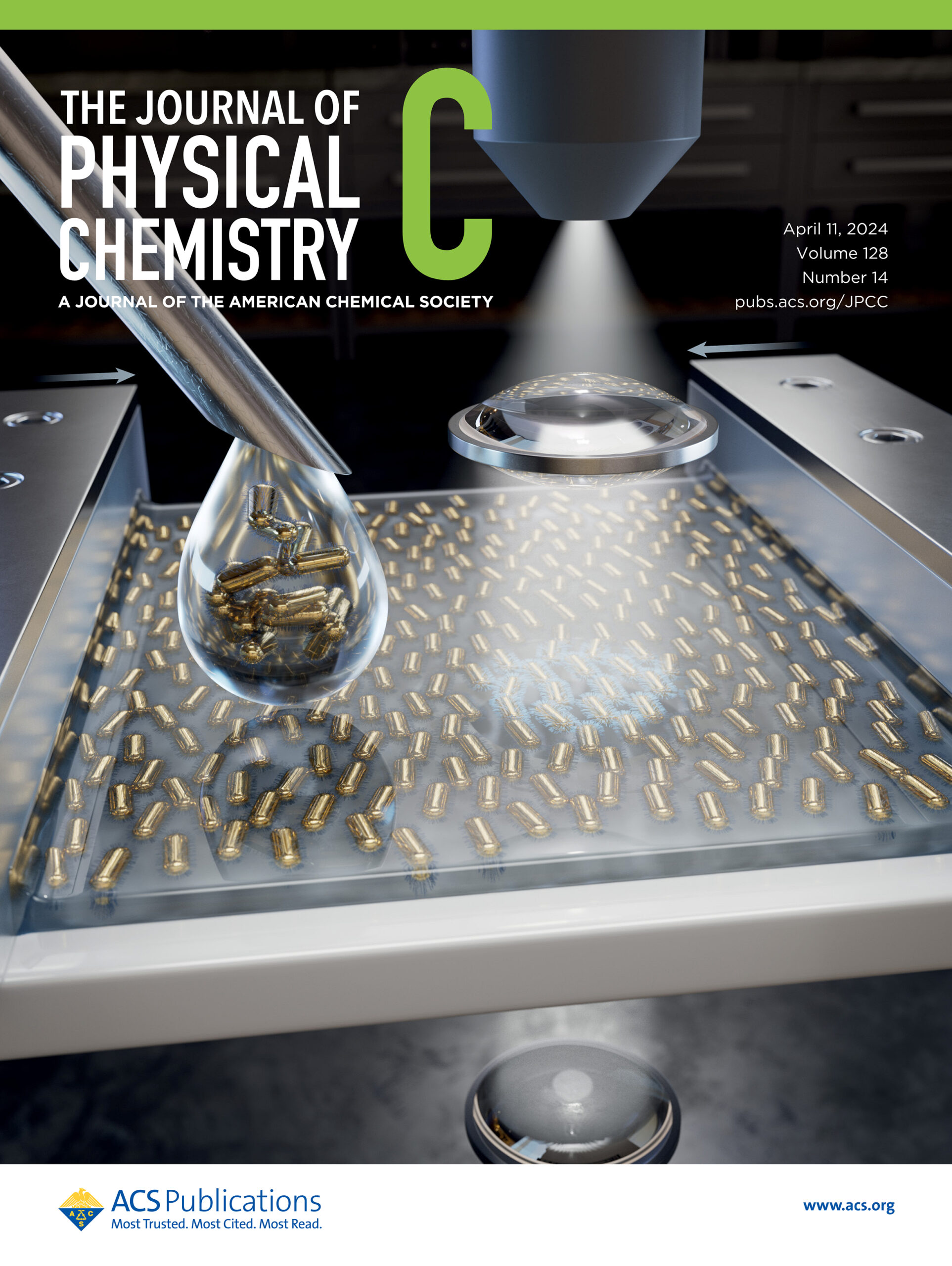
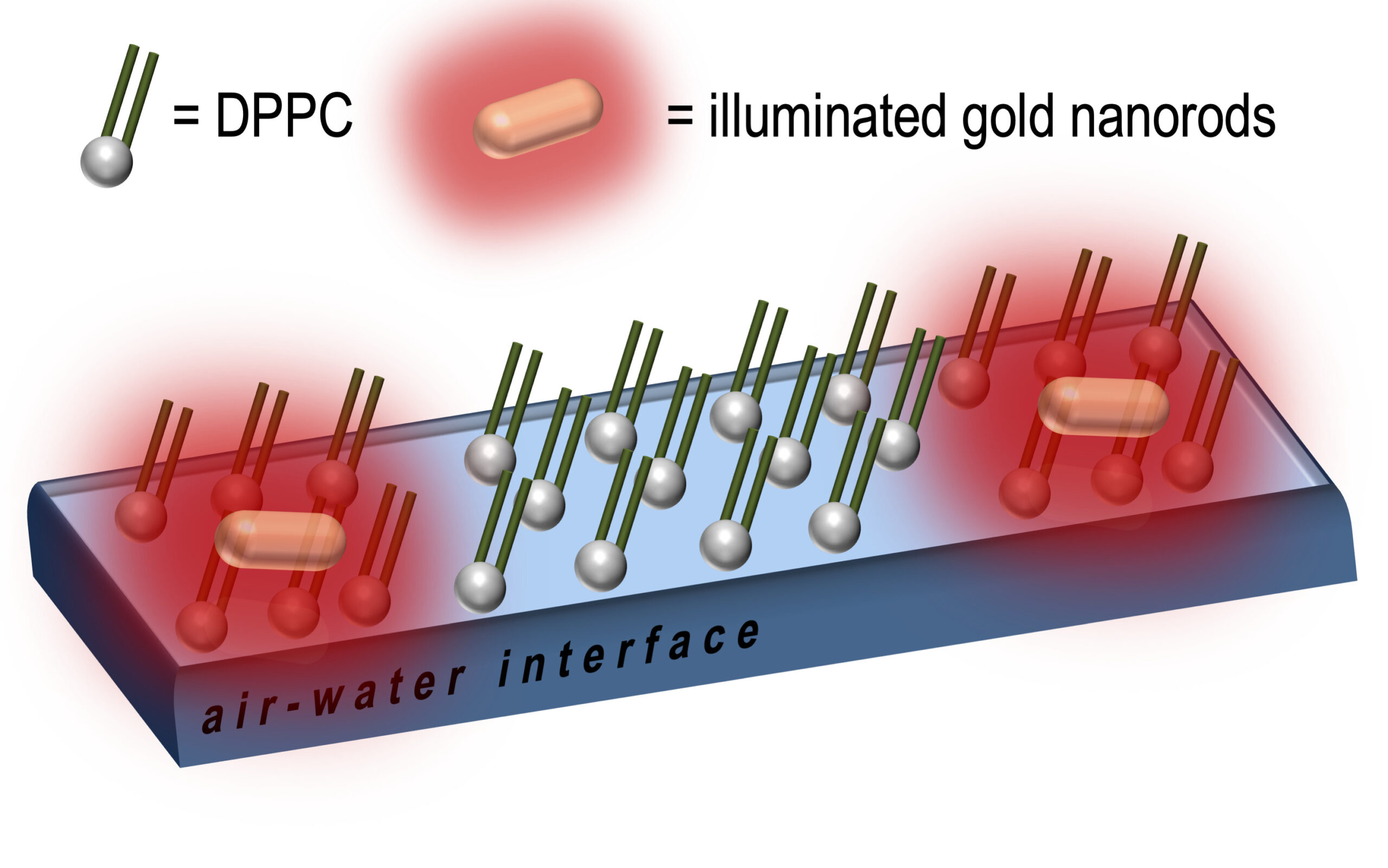
Design and fabrication of ordered nanoparticle assemblies at phase interfaces (water–air and solid–air) using Langmuir, Langmuir–Blodgett, and Langmuir–Schaefer techniques.
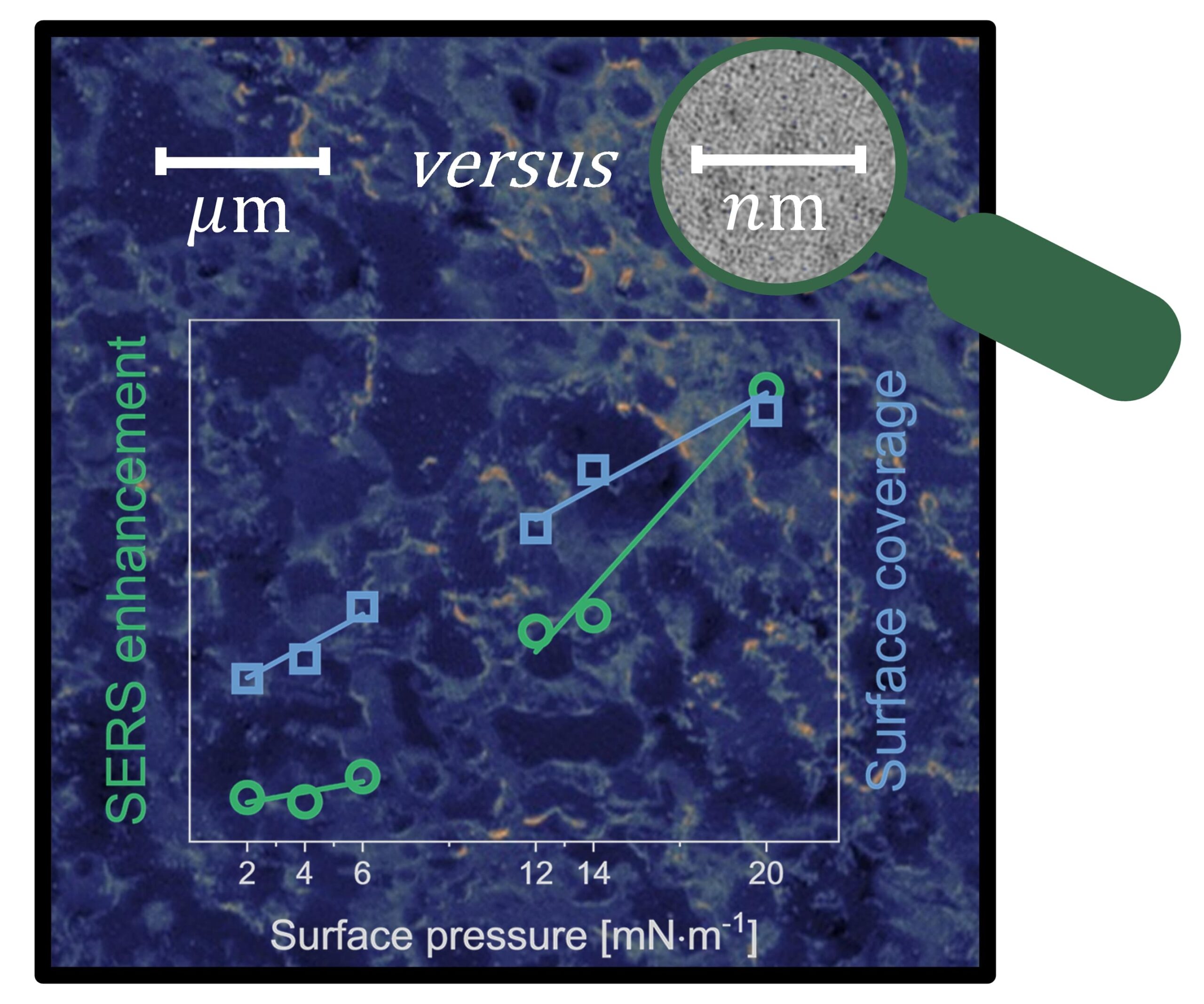
Development of functional nanoplatforms for applications in metal-enhanced spectroscopy (SERS, MEF), molecular detection, and biosensing.
Integration of experimental research (including microscopy, in situ spectroscopy, and TEM) with theoretical modeling and numerical simulations to elucidate the underlying physicochemical mechanisms.
 Photoactivated gold nanoparticles as promising agents in photothermal therapy – in vitro studies in biomimetic membrane systems
NCN PRELUDIUM 21, 2023-2026, 2022/45/N/ST5/01464, PI: Beata Tim, M.Sc.- How do the near- and far-field properties of gold nanoparticles contribute to enhancing singlet oxygen generation efficiency in hybrid systems?
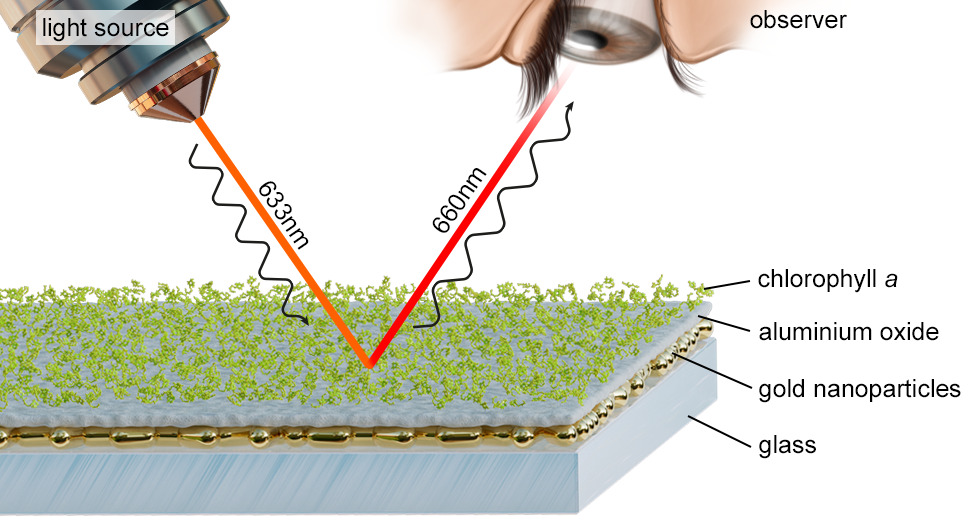
NCN PRELUDIUM 20, 2022-2024, 2021/41/N/ST4/03017, PI: Paulina Błaszkiewicz, M.Sc. - Optimization of a nanoplatform structure for surface-enhanced detection of chlorophyll derivatives using the Langmuir technique
NCN SONATA 35, 2020-2024, 2019/35/D/ST4/02037, PI: Michał Kotkowiak, Ph.D.