

2027

Łażewski, Dawid; Kucinska, Malgorzata; Kędzierski, Kamil; Popenda, Łukasz; Szczepaniak, Marianna; Potapskiy, Eduard; Myszkiewicz, Julian; Pawska, Aleksandra; Güzel, Emre; Dudkowiak, Alina; Sobotta, Lukasz; Murias, Marek; Gośliński, Tomasz; Wierzchowski, Marcin
It is not just about size: The influence of length and terminal groups of polyether chains on the photocytotoxicity of protoporphyrin IX Journal Article
In: Spectrochimica Acta Part A: Molecular and Biomolecular Spectroscopy, vol. 364, pp. 128661, 2027, ISSN: 1386-1425.
@article{Łażewski2027,

title = {It is not just about size: The influence of length and terminal groups of polyether chains on the photocytotoxicity of protoporphyrin IX},

author = {Dawid Łażewski and Malgorzata Kucinska and Kamil Kędzierski and Łukasz Popenda and Marianna Szczepaniak and Eduard Potapskiy and Julian Myszkiewicz and Aleksandra Pawska and Emre Güzel and Alina Dudkowiak and Lukasz Sobotta and Marek Murias and Tomasz Gośliński and Marcin Wierzchowski},

url = {https://www.sciencedirect.com/science/article/abs/pii/S1386142526012321},

doi = {10.1016/j.saa.2026.128661},

issn = {1386-1425},

year  = {2027},

date = {2027-01-05},

urldate = {2026-08-31},

journal = {Spectrochimica Acta Part A: Molecular and Biomolecular Spectroscopy},

volume = {364},

pages = {128661},

publisher = {Elsevier BV},

abstract = {Protoporphyrin IX is a natural photosensitizer used in photodynamic therapy. In this work, we present the synthesis, physicochemical characterisation, and photophysical studies of pegylated derivatives of protoporphyrin IX, two of which exhibit nanomolar activity against the A2780 and SK-Mel-28 cell lines. The most active compound exhibits IC50 values of 15.7 ± 3.4 nM for A2780 and 25.1 ± 14.3 nM for SK-Mel-28 following exposure to a light fluence of 5 J/cm2. The length of the PEG chain and the chemical group at its end both affected the observed biological activity. It was noted that the ethyl-ended polyethylene glycol chain of protoporphyrin IX influenced activity significantly less in comparison to the methyl-ended chain in the same study.},

keywords = {},

pubstate = {published},

tppubtype = {article}

}
2026

Krok, Emilia; Piatkowski, Lukasz
Model lipid bilayers as platforms for replicating bacterial membranes: a study of dynamics and structural heterogeneity Journal Article
In: The Journal of Physical Chemistry B, vol. 130, no. 3, pp. 1011-1023, 2026.
@article{,

title = {Model lipid bilayers as platforms for replicating bacterial membranes: a study of dynamics and structural heterogeneity},

author = {Emilia Krok and Lukasz Piatkowski},

doi = {10.1021/acs.jpcb.5c04583},

year  = {2026},

date = {2026-01-22},

urldate = {2026-01-22},

journal = {The Journal of Physical Chemistry B},

volume = {130},

number = {3},

pages = {1011-1023},

publisher = {American Chemical Society (ACS)},

abstract = {The remarkable complexity of bacterial cell membranes, combined with their diverse chemical composition and constantly changing internal physicochemical parameters, makes them exceptionally challenging to study in vivo. With many novel antibiotics targeting the bacterial cell envelope, considerable effort is now focused on the development of model membrane analogues that allow rapid initial screening of potential antimicrobial candidates. In this study, we successfully developed models based on lipid bilayers that mimic the lipid membrane of Gram-positive bacteria and the inner cell membrane of Gram-negative bacteria. These models incorporate varying levels of complexity in lipid composition and structural organization. Using models composed of DMoPC, DOPG, or DOPE and POPE:POPG binary lipid mixtures, we determined the impact of lipid composition on membrane dynamical properties and structural organization. To this end, we employed fluorescence microscopy and fluorescence recovery after photobleaching techniques. Building on these insights, we then replicated the cellular membranes of the most common bacterial strains. Finally, our investigation focused on replicating the lateral heterogeneities observed in vivo in the membranes of E. coli and B. subtilis. We anticipate that the proposed platforms, with their fully tunable lipid compositions, will be highly effective in elucidating the fundamental biological processes associated with bacterial cell membranes.},

keywords = {},

pubstate = {published},

tppubtype = {article}

}
2025

Lagowska, Anna; Krok, Emilia; Domanska, Maria; Setny, Piotr; Piatkowski, Lukasz; Orlikowska-Rzeznik, Hanna
Distinct effects of progesterone and cholesterol on lipid membranes: insights from biophysical experiments and molecular dynamics simulations Journal Article
In: Front. Mol. Biosci., vol. 12, 2025.
@article{Lągowska2025,

title = {Distinct effects of progesterone and cholesterol on lipid membranes: insights from biophysical experiments and molecular dynamics simulations},

author = {Anna Lagowska and Emilia Krok and Maria Domanska and Piotr Setny and Lukasz Piatkowski and Hanna Orlikowska-Rzeznik},

doi = {10.3389/fmolb.2025.1662811},

year  = {2025},

date = {2025-10-13},

urldate = {2025-10-13},

journal = {Front. Mol. Biosci.},

volume = {12},

publisher = {Frontiers Media SA},

abstract = {Steroid hormones, including progesterone, are known to exert genomic, non-genomic and non-specific effects. However, their influence on membrane biophysics remains unclear. In this study, we investigate the distinct membrane-modulating behaviour of progesterone compared to cholesterol, employing a multidisciplinary approach that combines fluorescence microscopy, steady-state spectroscopy, and atomistic molecular dynamics simulations. Our results demonstrate that, whereas cholesterol promotes lipid packing and stabilises phase-separated domains, progesterone disrupts phase separation, reduces line tension and increases lipid lateral diffusion, without significantly altering local membrane fluidity. Molecular simulations reveal that progesterone is more variably oriented and distributed within the bilayer than cholesterol. This results in membrane thinning and differential ordering of lipid tails. These structural effects may lead to increased membrane permeability and dynamic reorganization, which could facilitate rapid non-genomic signalling. Notably, the effects of progesterone are more pronounced in multicomponent, phase-separated membranes than in homogeneous lipid systems, suggesting context-specific roles. Our findings present progesterone as a dynamic modulator of membrane organisation, with implications for hormone signalling, drug delivery and therapeutic action in pharmacological settings.},

keywords = {},

pubstate = {published},

tppubtype = {article}

}
Martin, Anna; Łukawski, Damian; Biernacka, Dorota; Milowska, Karolina Z.; Lekawa-Raus, Agnieszka; Dudkowiak, Alina
Sodium carboxymethylcellulose/carbon nanotube composite coatings: a sustainable approach to water detection Journal Article
In: Cellulose, vol. 32, pp. 9639-9662, 2025.
@article{nokey,

title = {Sodium carboxymethylcellulose/carbon nanotube composite coatings: a sustainable approach to water detection},

author = {Anna Martin and Damian Łukawski and Dorota Biernacka and Karolina Z. Milowska and Agnieszka Lekawa-Raus and Alina Dudkowiak},

doi = {doi.org/10.1007/s10570-025-06721-6},

year  = {2025},

date = {2025-10-10},

urldate = {2025-10-10},

journal = {Cellulose},

volume = {32},

pages = {9639-9662},

abstract = {This study explores the development of sodium carboxymethylcellulose/carbon nanotube composite coatings for sustainable water sensors. Sodium carboxymethylcellulose (NaCMC), a biodegradable biopolymer, was used as a dispersing matrix for carbon nanotubes (CNT), forming a stable conductive composite. Resistance was analysed in a CNT concentration range of 5–95 wt%, with a percolation threshold at ~ 9.14 wt%. The water interaction was examined under high humidity, droplet deposition, and in full immersion. Coatings with a low CNT content exhibited significant resistance changes, while higher CNT concentrations (> 50 wt%) provided greater stability. Mechanical durability was assessed in abrasion and bending tests, revealing high structural integrity. After 35 cycles of abrasion, the coating resistance increased by ~ 65%, while bending resulted in minor resistance variations, below 1% for inward bending and less than 3% for outward bending. In addition to experiments, semi-empirical and atomistic simulations have revealed that NaCMC hinders the electron transport in individual CNT, increasing the coating resistance. However, even a small amount of water can screen this effect. The presence of NaCMC on CNT junctions, which play a crucial role in charge transport within CNT coatings, can enhance or reduce their transport properties, depending on the junction type. The calculations have also shown that NaCMC, because of its rigidity, binds weakly to CNT. These findings highlight NaCMC/CNT composites as promising materials for green electronics, including humidity sensors and water-sensitive conductive coatings.},

keywords = {},

pubstate = {published},

tppubtype = {article}

}

Kotkowiak, Michal; Zarzeczny, Mateusz; Roszkowski, Piotr; Piszczek, Piotr; Radtke, Aleksandra; Kotkowiak, Mateusz
Optimizing nanostructured platform for enhanced detection of photosynthetic pigments Journal Article
In: Applied Surface Science, vol. 712, pp. 164091-164100, 2025.
@article{nokey,

title = {Optimizing nanostructured platform for enhanced detection of photosynthetic pigments},

author = {Michal Kotkowiak and Mateusz Zarzeczny and Piotr Roszkowski and Piotr Piszczek and Aleksandra Radtke and Mateusz Kotkowiak},

doi = {10.1016/j.apsusc.2025.164091},

year  = {2025},

date = {2025-07-19},

urldate = {2025-07-19},

journal = {Applied Surface Science},

volume = {712},

pages = {164091-164100},

abstract = {Advancements in plasmonic nanotechnology have revolutionized the study of photosynthetic pigments, enabling the development of efficient artificial devices for diverse applications. In this study, we developed a nanoplatform comprising gold nanorods functionalized with promesogenic and decanethiol ligands and incorporated into Langmuir-Schaefer monolayers protected by aluminum oxide layers. The nanoplatform was further functionalized with chlorophyll a, enabling plasmonic enhancement for improved pigment detection. Our findings demonstrate a strong dependence on the spacer layer thickness, with optimal enhancement at approximately 10 nm. Notably, the system’s design supports the detection of other photosynthetic pigments with Q-band maxima shifted to wavelengths beyond 750 nm. This work provides fundamental insights into plasmon-induced effects in photosynthetic pigments and highlights the potential of this nanoplatform for applications in sensing and plasmonic-based architectures due to the wide concentration range of dye connected with a low value of its limit of detection.},

keywords = {},

pubstate = {published},

tppubtype = {article}

}
Wojcieszak, Marta; Syguda, Anna; Dopierała, Katarzyna; Biadasz, Andrzej; Różański, Jacek; Marcinkowska, Agnieszka; Materna, Katarzyna
In: Journal of Molecular Liquids, vol. 435, pp. 128128-128139, 2025.
@article{nokey,

title = {Exploring amide- and ester-functionalized surface-active quaternary ammonium salts derived from nonanoic acid: self-assembly and emulgel applications},

author = {Marta Wojcieszak and Anna Syguda and Katarzyna Dopierała and Andrzej Biadasz and Jacek Różański and Agnieszka Marcinkowska and Katarzyna Materna},

doi = {10.1016/j.molliq.2025.128128},

year  = {2025},

date = {2025-07-11},

journal = {Journal of Molecular Liquids},

volume = {435},

pages = {128128-128139},

abstract = {The incorporation of long hydrophobic chains and the amide or the ester bonds in surface-active quaternary ammonium salts (QASs) enables precise control over their micellization behavior and aggregation propensity. These properties are crucial for developing emulgels as carriers of nonanoic acid. In this study, surface-active QASs were synthesized and characterized to identify the most promising amide- and ester-functionalized compounds for use as emulsifiers in emulgels. Compounds with 14‑carbon alkyl chains were selected as the most effective candidates and analyzed in detail using atomic force microscopy and confocal laser scanning microscopy. Additionally, their potential antifungal activity was evaluated through studies involving a model fungal membrane. The formulated emulgels exhibited a pH range of 4.5–6.0, which is skin-friendly and non-irritating. Thermal stability tests confirmed their robustness, with syneresis below 1 %. Contamination tests demonstrated that the emulgels were free from microbial presence during preparation, while rheological studies confirmed their viscoelastic properties. Overall, the findings suggest that surface-active QASs with the amide and the ester bonds, characterized by high surface activity, self-assembly capabilities, and emulsifying properties, hold great potential for use in emulgel formulations for personal care applications, particularly as carriers of antifungal agents.},

keywords = {},

pubstate = {published},

tppubtype = {article}

}
Lester, Agnieszka; Orlikowska-Rzeznik, Hanna; Krok, Emilia; Piatkowski, Lukasz
Laurdan adopts distinct, phase-specific orientations in lipid membranes Journal Article
In: The Journal of Physical Chemistry B, vol. 129, iss. 25, pp. 6233-6240, 2025.
@article{nokey,

title = {Laurdan adopts distinct, phase-specific orientations in lipid membranes},

author = {Agnieszka Lester and Hanna Orlikowska-Rzeznik and Emilia Krok and Lukasz Piatkowski},

doi = {10.1021/acs.jpcb.5c02384},

year  = {2025},

date = {2025-06-10},

urldate = {2025-06-10},

journal = {The Journal of Physical Chemistry B},

volume = {129},

issue = {25},

pages = {6233-6240},

abstract = {For over 40 years, Laurdan has been widely used as a universal fluorescent probe for the study of lipid membranes. However, recent molecular dynamics simulations have uncovered previously unknown properties of Laurdan, revealing that it can adopt distinct conformations within the lipid bilayer, thereby influencing its molecular orientation. Despite these findings, experimental and quantitative validation has been lacking. Here, we present the first experimental study of the orientation of Laurdan in a phase-separated supported lipid bilayer, directly linking its spatial orientation to its emission spectra in liquid-ordered (Lo) and liquid-disordered (Ld) phases. Using azimuthally and radially polarized excitation beams, we show that in the Lo phase, Laurdan molecules align more parallel to the membrane normal, whereas in the Ld phase, they adopt a more planar orientation within the membrane. Interestingly, the emission spectra for both excitation modes converge at shorter wavelengths, but show deviations at longer wavelengths, particularly in the Ld phase. By refining our understanding of the behavior of Laurdan in lipid membranes, this study underlines the critical role of the molecular orientation of the dye in fluorescence-based membrane studies and highlights the need for orientation-sensitive analysis in biophysical investigations.},

keywords = {},

pubstate = {published},

tppubtype = {article}

}
Szawioła, Gustaw; Mieloch, Szymon; Stefańska, Danuta; Głowacki, Przemysław; Frajtak, Agata; Michalczyk, Jędrzej; Murawski, Krzysztof; Pruchlat, Andrzej; Raczyński, Jan; Schmidt, Michał; Sobkowski, Jerzy; Wosicki, Maksymilian; Biadasz, Andrzej; Buczek, Adam; Dychalska, Anna; Mazerewicz, Piotr; Szybowicz, Mirosław
Thermal effects in optically detected magnetic resonance of nitrogen vacancies in diamond: a quantum thermometer for a graduate teaching lab Journal Article
In: Journal of Chemical Education, vol. 102, iss. 5, pp. 1949-1959, 2025.
@article{nokey,

title = {Thermal effects in optically detected magnetic resonance of nitrogen vacancies in diamond: a quantum thermometer for a graduate teaching lab},

author = {Gustaw Szawioła and Szymon Mieloch and Danuta Stefańska and Przemysław Głowacki and Agata Frajtak and Jędrzej Michalczyk and Krzysztof Murawski and Andrzej Pruchlat and Jan Raczyński and Michał Schmidt and Jerzy Sobkowski and Maksymilian Wosicki and Andrzej Biadasz and Adam Buczek and Anna Dychalska and Piotr Mazerewicz and Mirosław Szybowicz},

doi = {doi.org/10.1021/acs.jchemed.4c01434},

year  = {2025},

date = {2025-04-15},

journal = {Journal of Chemical Education},

volume = {102},

issue = {5},

pages = {1949-1959},

abstract = {This work reports a study of thermal effects in nitrogen vacancies in diamond using the optically detected continuous wave magnetic resonance (cw-ODMR) method. Changes in the ODMR signal induced by heating the diamond sample with both laser light at various powers and by a simple heater were investigated and analyzed. The influence of heating on the ODMR signal was measured for two types of synthetic diamond powder─a low cost microcrystalline powder (particle diameters ca. 80 μm) and a high purity nanodiamond powder (particle diameters ca. 140 nm). The experimental setup can be viewed as a pedagogical quantum thermometer. A number of cost-effective components were used, e.g., a self-constructed confocal microscope, and the Raspberry Pi 4B microcomputer in an experiment control and data acquisition system, as well as an inexpensive microwave modulator, analog to digital converter, and a heating plate.},

keywords = {},

pubstate = {published},

tppubtype = {article}

}
Tim, Beata; Blaszkiewicz, Paulina; Coy, Emerson; Dudkowiak, Alina
Interactions between functionalized PEGylated gold nanoparticles and model biological membranes Journal Article
In: Journal of Molecular Liquids, vol. 428, pp. 127501-127513, 2025.
@article{nokey,

title = {Interactions between functionalized PEGylated gold nanoparticles and model biological membranes},

author = {Beata Tim and Paulina Blaszkiewicz and Emerson Coy and Alina Dudkowiak},

doi = {10.1016/j.molliq.2025.127501},

year  = {2025},

date = {2025-04-05},

urldate = {2025-04-05},

journal = {Journal of Molecular Liquids},

volume = {428},

pages = {127501-127513},

abstract = {A better understanding of the interaction mechanism between functionalized gold nanoparticles and cell membrane components helps study the impact of particulate matter on biomimetic systems. The paper reports how gold nanoparticles with different geometries (spherical and rod-shaped) were synthesized with slight modifications and functionalized with polyethylene glycol. Efficient pegylation process and addition of HCl to the growth solution results in highly monodisperse nanoparticles. The obtained functionalized nanoparticles were characterized by UV–V is spectroscopy, transmission electron microscopy and dynamic light scattering. This article focuses on the effect of gold nanoparticles on the surface properties of model biological membranes consisting of phospholipids (1,2-dipalmitoyl-sn-glycero-3-phosphocholine (DPPC) and 1-palmitoyl-2-oleoyl-glycero-3-phosphocholine (POPC)) in the presence of cholesterol, which is an organic chemical compound, a lipid from the steroid group. The effect of the nanoparticles with different shapes on the behavior of monolayers was described using surface pressure isotherms, surface compressibility modulus, Brewster angle microscopy and polarization modulation infrared reflection absorption spectroscopy. It was shown that for all lipid systems considered, the type of nanoparticles affects the degree of condensation and the morphology of the monolayer. The studies showed that the monolayers of lipid systems containing spherical gold nanoparticles are characterized by greater stability than the monolayers containing gold nanorods. Based on the research, it can also be assumed that some of the gold nanoparticles are incorporated into lipid monolayers, while others remain on the lipid monolayer surface. The results presented may be useful to better understand the interaction between nanoparticles and the lipid components of biomembranes.},

keywords = {},

pubstate = {published},

tppubtype = {article}

}
Krok, Emilia
Showing ‘ability’ in ‘disability’ — how I mastered interviews while using a wheelchair Journal Article
In: Nature, vol. 640, pp. 1114-1115 , 2025.
@article{nokey,

title = {Showing ‘ability’ in ‘disability’ — how I mastered interviews while using a wheelchair},

author = {Emilia Krok},

doi = {10.1038/d41586-025-00559-5},

year  = {2025},

date = {2025-03-27},

urldate = {2025-03-27},

journal = {Nature},

volume = {640},

pages = {1114-1115 },

abstract = {Learning how to influence the way people see me when I enter a room has been key to boosting my confidence in job interviews.},

keywords = {},

pubstate = {published},

tppubtype = {article}

}
Chłopocka, Edyta; Szybowicz, Mirosław; Szafraniak-Wiza, Izabela; Stachowiak, Alicja; Koczorowski, Wojciech; Robakowska, Mariola
The influence of synthesis method on LaFeO3 and LaMnO3 powder properties Journal Article
In: Ceramics International, vol. 51, iss. 18, pp. 25552-25559, 2025.
@article{nokey,

title = {The influence of synthesis method on LaFeO3 and LaMnO3 powder properties},

author = {Edyta Chłopocka and Mirosław Szybowicz and Izabela Szafraniak-Wiza and Alicja Stachowiak and Wojciech Koczorowski and Mariola Robakowska},

doi = {doi.org/10.1016/j.ceramint.2025.03.237},

year  = {2025},

date = {2025-03-18},

journal = {Ceramics International},

volume = {51},

issue = {18},

pages = {25552-25559},

abstract = {Recently, searching for a lead-free inorganic alternative to organic-inorganic perovskite materials has been one of the main scientific issues in photovoltaics. Proposed LaMnO3 and LaFeO3 are narrow-band Mott insulators with a perovskite-like structure. In this work, the structural analysis of powders prepared by two different methods, i.e. sol-gel and mechanochemical synthesis, has been carried out. The characteristic temperatures in the sol-gel process have been determined using thermogravimetric analysis. The morphology of powders was observed with a scanning electron microscope. X-ray diffraction analysis enabled phase identification and subsequent determination of unit cell parameters using Rietveld refinement. Two complementary methods, Raman and Fourier-transform infrared spectroscopies, have been used to assess the structural differences between the samples. The obtained results suggest a significant influence of the synthesis method on the final powders’ properties.},

keywords = {},

pubstate = {published},

tppubtype = {article}

}
2024

Kotkowiak, Michal; Mleczko, Michał
Hybridization mechanism of nonamphiphilic capped gold nanoparticles in the presence of a surfactant Journal Article
In: The Journal of Physical Chemistry C, vol. 128, iss. 49, pp. 21253-21261, 2024.
@article{nokey,

title = {Hybridization mechanism of nonamphiphilic capped gold nanoparticles in the presence of a surfactant},

author = {Michal Kotkowiak and Michał Mleczko},

doi = {doi.org/10.1021/acs.jpcc.4c07403},

year  = {2024},

date = {2024-11-29},

urldate = {2024-11-29},

journal = {The Journal of Physical Chemistry C},

volume = {128},

issue = {49},

pages = {21253-21261},

abstract = {The functionalization of gold nanoparticles is necessary to obtain a stable dispersion in organic solvents. For this purpose, different types of ligands, soluble or insoluble in aqueous solutions, have been developed. The character of the ligand and the presence of nonpolar or polar sides of the molecules determine the ability to create monolayers at the air–water interface. Thus, to investigate optical resonances of nanoparticle assemblies in Langmuir monolayer amphiphilic stabilizing ligands, their presence should be avoided or their concentrations should be accurately controlled. In this work, citrate-stabilized and PEGylated gold spherical nanoparticles are used to examine and describe the mechanism of their hybridization in situ. This strategy enables an understanding of the hybridization phenomenon of gold nanoparticles, which are not perturbed by capping agents capable of creating a monolayer. For the first time, we have shown that the mechanism of hybridization is strongly dependent on the presence and molecular orientation of the model amphiphilic molecules. Moreover, the zigzag character of hybridization can be controlled by tailoring the amount of the surfactant in the monolayer and its physical state.},

keywords = {},

pubstate = {published},

tppubtype = {article}

}
Dopierała, Katarzyna; Krok, Emilia; Stachowska, Ewa; Nowak-Grzebyta, Jagoda; Walczak, Krzysztof; Andrzejewski, Jacek; Prochaska, Krystyna
The deposition of hydroxyapatite particles within an organic matrix on the surface of poly(lactic acid) Journal Article
In: International Journal of Molecular Sciences, vol. 25, iss. 21, pp. 11587, 2024.
@article{nokey,

title = {The deposition of hydroxyapatite particles within an organic matrix on the surface of poly(lactic acid)},

author = {Katarzyna Dopierała and Emilia Krok and Ewa Stachowska and Jagoda Nowak-Grzebyta and Krzysztof Walczak and Jacek Andrzejewski and Krystyna Prochaska },

doi = {doi.org/10.3390/ijms252111587},

year  = {2024},

date = {2024-10-29},

journal = {International Journal of Molecular Sciences},

volume = {25},

issue = {21},

pages = {11587},

abstract = {Hydroxyapatite (HAP) is a well-established material in biomedical applications, especially for bone tissue regeneration, dental implants, and drug delivery systems. Recent research emphasizes enhancing the biocompatibility and osteoconductivity of orthopedic implants using HAP. This study explores the potential of combining HAP with a lipid matrix to improve the surface properties and biocompatibility of poly(lactic acid) (PLA)-based, 3D-printed, resorbable bone implants. We utilized the Langmuir–Blodgett method to deposit HAP within a dihexadecyl phosphate (DHP) matrix onto PLA substrates. This study demonstrates that DHP and HAP form stable monolayers at the air/water interface with HAP particles distributed within a homogeneous lipid matrix. The presence of HAP and the resulting changes in surface free energy (SFE) are hypothesized to enhance the biocompatibility of PLA implants. Our findings indicate that films composed of DHP + HAP 5:1 are particularly effective in altering PLA surface characteristics, potentially improving osteointegration, and reducing microbial adherence. Overall, this work highlights that surface modification of PLA with HAP and lipid matrices is the first step towards new, promising, and cost-effective strategies for developing advanced biomaterials for bone regeneration.},

keywords = {},

pubstate = {published},

tppubtype = {article}

}

Degórska, Oliwia; Szada, Daria; Fu, Qiang; Nghiem, Long Duc; Biadasz, Andrzej; Jesionowski, Teofil; Zdarta, Jakub
Ionic liquid supported hydrogel–lipase biocatalytic systems in asymmetric synthesis of enantiomerically pure S-ibuprofen Journal Article
In: International Journal of Biological Macromolecules, vol. 281, pp. 136221-136231, 2024.
@article{nokey,

title = {Ionic liquid supported hydrogel–lipase biocatalytic systems in asymmetric synthesis of enantiomerically pure S-ibuprofen},

author = {Oliwia Degórska and Daria Szada and Qiang Fu and Long Duc Nghiem and Andrzej Biadasz and Teofil Jesionowski and Jakub Zdarta },

doi = {10.1016/j.ijbiomac.2024.136221},

year  = {2024},

date = {2024-10-01},

journal = {International Journal of Biological Macromolecules},

volume = {281},

pages = {136221-136231},

abstract = {Novel hydrogel biocatalysts with immobilized lipase, stabilized by ionic liquids (ILs) of different hydrophobicity, were synthesized and evaluated. Variations of the time of immobilization and ratio of substrates during hydrogel synthesis were considered to obtain the most stable biocatalyst with the highest activity. Physicochemical characterization proved the success of the hydrogel synthesis and enzyme deposition on the surface of the support. Nevertheless, the key objective was to produce a biocatalyst for further application in ibuprofen methyl ester resolution, with the aim of obtaining an enantiomerically pure product. The hydrogel biocatalysts obtained in the presence of 5 wt% ILs after 8 h of immobilization achieved the highest activity recovery of 62 %. After 10 reaction cycles, enzymatic activity was still above 60 %, and the negative effect of pH and temperature on the activity of immobilized lipase was much lower than in the case of the free enzyme. After application of the catalyst in the resolution of ibuprofen methyl ester, the enantiomeric excess and conversion rate of the process were obtained for the dynamic kinetic resolution in isooctane. A conversion rate of 95 % was achieved due to the stabilization of the biocatalyst with IL and its resulting high catalytic activity. The study thus provides the pharmaceutical industry with a new potential approach with a strong scientific foundation.},

keywords = {},

pubstate = {published},

tppubtype = {article}

}
Stachowiak, Alicja; Kedzierski, Kamil; Rytel, Karol; Dudkowiak, Alina
Impact of the spatial structure of alkyl chains on properties of thiophene-substituted diketopyrrolopyrroles: Part II – Spectroscopic study Journal Article
In: Journal of Molecular Liquids, vol. 409, pp. 125422-125431, 2024.
@article{,

title = {Impact of the spatial structure of alkyl chains on properties of thiophene-substituted diketopyrrolopyrroles: Part II – Spectroscopic study},

author = {Alicja Stachowiak and Kamil Kedzierski and Karol Rytel and Alina Dudkowiak},

doi = {10.1016/j.molliq.2024.125422},

year  = {2024},

date = {2024-07-04},

urldate = {2024-07-04},

journal = {Journal of Molecular Liquids},

volume = {409},

pages = {125422-125431},

abstract = {The study concerns the impact of a difference in geometry of the side alkyl chains of oligothiophene derivatives of diketopyrrolopyrrole (DPP) on their spectroscopic properties and aggregation in solutions, in Langmuir layers, and thin films. Using a combination of theoretical and experimental approaches, this study aims to explain the aggregating behaviour of thiophene-substituted DPP derivatives. Various methods were used to characterise the dyes, including absorption spectroscopy also with polarized light, fluorescence spectroscopy, Langmuir techniques, and time-dependent density functional theory (TD-DFT) calculations. The presented results emphasise a significant impact of side alkyl chains on DPP's molecular behaviour, notably evident in thin-layer structures. Interestingly, the deconvolution of the absorption spectra revealed three bands in the red region. Insightful analysis of temperature-dependent absorption, excitation, and emission fluorescence spectra indicates the co-existence of monomer, dimer, and a higher aggregate forms, most likely a tetrameric structures. Moreover, such a complexity of molecular organisation of dyes appears already in the solution. Differences in spectral properties of the dyes studied are robustly visible in changes in the spectra of the air–water interface, where the dye with the branched side group changes the mutual orientation in dimeric structures, leading to the formation of H-type aggregates, which was observed as an almost 20-nm spectral blue shift during Langmuir layer compression. The results presented highlight the need for care in interpretation of the intensity ratio of DPP spectra and spectral shift as the sole determinants of the aggregation state.},

keywords = {},

pubstate = {published},

tppubtype = {article}

}
Kotkowiak, Michal; Tim, Beata; Kotkowiak, Mateusz; Musiał, Joanna; Blaszkiewicz, Paulina
The role of the polyethylene glycol in the organization of gold nanorods at the air–water and air–solid interfaces Journal Article
In: Langmuir, vol. 40, iss. 28, pp. 14561-14569, 2024.
@article{,

title = {The role of the polyethylene glycol in the organization of gold nanorods at the air–water and air–solid interfaces},

author = {Michal Kotkowiak and Beata Tim and Mateusz Kotkowiak and Joanna Musiał and Paulina Blaszkiewicz},

doi = {10.1021/acs.langmuir.4c01427},

year  = {2024},

date = {2024-07-04},

urldate = {2024-07-04},

journal = {Langmuir},

volume = {40},

issue = {28},

pages = {14561-14569},

publisher = {American Chemical Society (ACS)},

abstract = {The organization of metallic nanoparticles into assembled films is a complex process. The type of nanoparticle stabilizing ligand and the method for creating an organized layer can profoundly affect the optical properties of the resulting nanoparticle assembly. Investigations of the ligand structure and nanoparticle interactions can provide a greater understanding of the design of the assembly process and the quality of the resulting materials. One of the functionalization methods in the preparation of specific gold nanorods is the utilization of thiol-terminated poly(ethylene glycol). This generates gold nanorods capable of forming stable monolayers at the air–water interface upon dispersion in a suitable organic solvent. Herein, we show that depending on the molecular weight of the poly(ethylene glycol), the structures obtained at the air–water and air–solid interfaces differ in the arrangement. The studied structures were characterized by using spectroscopic and microscopic techniques, and the structural type was correlated with the polymer type. Insoluble and stable Langmuir monolayers composed of higher-molecular-weight gold nanorods with poly(ethylene glycol) were formed only in the presence of an additional stabilizer that prevented the formation of gold nanorods in aqueous solutions. At the air–solid interface, conformational changes in poly(ethylene glycol) induced the aggregation of gold nanorods, which became closely packed under the influence of surface pressure. The presented results suggested that the arrangement of two-dimensional layers of gold nanorods could be tailored using poly(ethylene glycol) of various molecular weights.},

keywords = {},

pubstate = {published},

tppubtype = {article}

}
Tim, Beata; Konował, Emilia; Modrzejewska-Sikorska, Anna
Starch sodium octenylsuccinate as a new type of stabilizer in the synthesis of catalytically active gold nanostructures Journal Article
In: International Journal of Molecular Sciences, vol. 25, iss. 10, pp. 5116, 2024.
@article{nokey,

title = {Starch sodium octenylsuccinate as a new type of stabilizer in the synthesis of catalytically active gold nanostructures},

author = {Beata Tim and Emilia Konował and Anna Modrzejewska-Sikorska },

doi = {doi.org/10.3390/ijms25105116},

year  = {2024},

date = {2024-05-08},

journal = {International Journal of Molecular Sciences},

volume = {25},

issue = {10},

pages = {5116},

abstract = {Here, starch derivatives, i.e., sodium starch octenylsuccinate (OSA starch, hereinafter referred to as OSA), were employed as both reducing and stabilizing agents for the unique, inexpensive, and simple synthesis of gold nanoparticles (OSA-AuNPs) in an aqueous solution with gold salt. The obtained OSA-AuNPs were characterized by UV-vis spectrophotometry, transmission electron microscopy, scanning electron microscopy, and energy-dispersive X-ray spectroscopy. The catalytic activity of the obtained gold colloids was studied in the reduction of organic dyes, including methylene blue (C.I. Basic Blue 9) and rhodamine B (C.I. Basic Violet 10), and food coloring, including tartrazine (E102) and azorubine (E122), by sodium borohydride. Moreover, OSA-AuNPs were utilized as signal amplifiers in surface-enhanced Raman spectroscopy. The obtained results confirmed that gold nanoparticles can be used as effective catalysts in reduction reactions of selected organic dyes, as well as signal enhancers in the SERS technique.},

keywords = {},

pubstate = {published},

tppubtype = {article}

}
Orlikowska-Rzeznik, Hanna; Versluis, Jan; Bakker, Huib J.; Piatkowski, Łukasz
Cholesterol changes interfacial water alignment in model cell membranes Journal Article
In: Journal of the American Chemical Society, vol. 146, iss. 19, pp. 13151-13162, 2024.
@article{nokey,

title = {Cholesterol changes interfacial water alignment in model cell membranes},

author = {Hanna Orlikowska-Rzeznik and Jan Versluis and Huib J. Bakker and Łukasz Piatkowski},

doi = {doi.org/10.1021/jacs.4c00474},

year  = {2024},

date = {2024-04-30},

journal = {Journal of the American Chemical Society},

volume = {146},

issue = {19},

pages = {13151-13162},

abstract = {The nanoscopic layer of water that directly hydrates biological membranes plays a critical role in maintaining the cell structure, regulating biochemical processes, and managing intermolecular interactions at the membrane interface. Therefore, comprehending the membrane structure, including its hydration, is essential for understanding the chemistry of life. While cholesterol is a fundamental lipid molecule in mammalian cells, influencing both the structure and dynamics of cell membranes, its impact on the structure of interfacial water has remained unknown. We used surface-specific vibrational sum-frequency generation spectroscopy to study the effect of cholesterol on the structure and hydration of monolayers of the lipids 1,2-dipalmitoyl-sn-glycero-3-phosphocholine (DPPC), 1,2-dioleoyl-sn-glycero-3-phosphocholine (DOPC), and egg sphingomyelin (SM). We found that for the unsaturated lipid DOPC, cholesterol intercalates in the membrane without significantly changing the orientation of the lipid tails and the orientation of the water molecules hydrating the headgroups of DOPC. In contrast, for the saturated lipids DPPC and SM, the addition of cholesterol leads to clearly enhanced packing and ordering of the hydrophobic tails. It is also observed that the orientation of the water hydrating the lipid headgroups is enhanced upon the addition of cholesterol. These results are important because the orientation of interfacial water molecules influences the cell membranes’ dipole potential and the strength and specificity of interactions between cell membranes and peripheral proteins and other biomolecules. The lipid nature-dependent role of cholesterol in altering the arrangement of interfacial water molecules offers a fresh perspective on domain-selective cellular processes, such as protein binding.},

keywords = {},

pubstate = {published},

tppubtype = {article}

}

Orlikowska-Rzeznik, Hanna; Krok, Emilia; Domanska, Maria; Setny, Piotr; Lagowska, Anna; Chattopadhyay, Madhurima; Piatkowski, Lukasz
Dehydration of lipid membranes drives redistribution of cholesterol between lateral domains Journal Article
In: The Journal of Physical Chemistry Letters, vol. 15, iss. 16, pp. 4515-4522, 2024.
@article{nokey,

title = {Dehydration of lipid membranes drives redistribution of cholesterol between lateral domains},

author = {Hanna Orlikowska-Rzeznik and Emilia Krok and Maria Domanska and Piotr Setny and Anna Lagowska and Madhurima Chattopadhyay and Lukasz Piatkowski},

doi = {doi.org/10.1021/acs.jpclett.4c00332},

year  = {2024},

date = {2024-04-18},

urldate = {2024-04-18},

journal = {The Journal of Physical Chemistry Letters},

volume = {15},

issue = {16},

pages = {4515-4522},

abstract = {Cholesterol-rich lipid rafts are found to facilitate membrane fusion, central to processes like viral entry, fertilization, and neurotransmitter release. While the fusion process involves local, transient membrane dehydration, the impact of reduced hydration on cholesterol’s structural organization in biological membranes remains unclear. Here, we employ confocal fluorescence microscopy and atomistic molecular dynamics simulations to investigate cholesterol behavior in phase-separated lipid bilayers under controlled hydration. We unveiled that dehydration prompts cholesterol release from raft-like domains into the surrounding fluid phase. Unsaturated phospholipids undergo more significant dehydration-induced structural changes and lose more hydrogen bonds with water than sphingomyelin. The results suggest that cholesterol redistribution is driven by the equalization of biophysical properties between phases and the need to satisfy lipid hydrogen bonds. This underscores the role of cholesterol–phospholipid–water interplay in governing cholesterol affinity for a specific lipid type, providing a new perspective on the regulatory role of cell membrane heterogeneity during membrane fusion.},

keywords = {},

pubstate = {published},

tppubtype = {article}

}

Ziental, Daniel; Blaszkiewicz, Paulina; Długaszewska, Jolanta; Güzel, Emre; Dudkowiak, Alina; Sobotta, Lukasz
In: European Journal of Inorganic Chemistry, vol. 27, iss. 10, pp. e202300668, 2024.
@article{nokey,

title = {Modified gold nanoparticles modulated fluorescence and singlet oxygen generation of pheophorbide a as an effective platform for photodynamic therapy against Staphylococcus aureus},

author = {Daniel Ziental and Paulina Blaszkiewicz and Jolanta Długaszewska and Emre Güzel and Alina Dudkowiak and Lukasz Sobotta},

doi = {doi.org/10.1002/ejic.202300668},

year  = {2024},

date = {2024-03-05},

urldate = {2024-03-05},

journal = {European Journal of Inorganic Chemistry},

volume = {27},

issue = {10},

pages = {e202300668},

abstract = {The paper reports on the synthesis and evaluation of photochemical properties of gold nanorods (Au−NRs) coated with PEG with a thiol (−SH) group or SiO2 and their physical mixtures with pheophorbide a. Also biological activity of these systems was tested in photodynamic therapy directed towards Staphylococcus aureus. The potential additive effect between differently functionalized Au−NRs and the dye pheophorbide a was also studied. The efficiency of singlet oxygen generation varied considerably depending on the type of PEG polymer used for coating NRs and was the highest, of 65%, for the polymer PEG (10k) and the Au−NRs concentration of (1.33×10⁻¹¹ M). For the other studied PEGs (2k, 5k) and the same concentration of NRs, a decrease in the singlet oxygen generation efficiency was observed. The most effective against Gram-positive bacteria were the mixtures of PEG-coated Au−NRs with pheophorbide a, exposed to irradiation at 405 nm and 660 nm, which provided a >5.8 log reduction in the bacteria growth. However, no strong bactericidal effect was noted in the case of irradiation with 525 nm.},

keywords = {},

pubstate = {published},

tppubtype = {article}

}
Kotkowiak, Michal; Mleczko, Michał
In situ tracked hybridization phenomenon of gold nanorods in monolayer systems Journal Article
In: The Journal of Physical Chemistry C, vol. 128, iss. 14, pp. 6065-6071, 2024.
@article{nokey,

title = {In situ tracked hybridization phenomenon of gold nanorods in monolayer systems},

author = {Michal Kotkowiak and Michał Mleczko},

doi = {10.1021/acs.jpcc.3c08164},

year  = {2024},

date = {2024-02-07},

urldate = {2024-02-07},

journal = {The Journal of Physical Chemistry C},

volume = {128},

issue = {14},

pages = {6065-6071},

abstract = {The tuning of optical resonances in nanoparticle assemblies is primarily achieved through the fundamental principle of plasmonic coupling. When the nanoparticles interact in close proximity, plasmonic coupling modes could be generated with energies sensitive to the type of nanoparticle assembly. By precise polymer-based gold nanorod functionalization, we produce Langmuir monolayers of gold nanorods and control, in situ, the ability of nanoparticles to hybridize, thereby regulating the optical response of the nanoparticles. This strategy enables an understanding of the hybridization phenomenon of gold nanorods in monolayer systems. In the long term, this work enables the investigation of in situ hybridization of nanoparticle systems with reduced particle numbers.},

keywords = {},

pubstate = {published},

tppubtype = {article}

}
Talarska, Patrycja; Blaszkiewicz, Paulina; Kostrzewa, Artur; Wirstlein, Przemysław; Cegłowski, Michał; Nowaczyk, Grzegorz; Dudkowiak, Alina; Grabarek, Beniamin Oskar; Głowacka-Stalmach, Paulina; Szarpak, Agnieszka; Żurawski, Jakub
Effects of spherical and rod-like gold nanoparticles on the reactivity of human peripheral blood leukocytes Journal Article
In: Antioxidants, vol. 13, iss. 2, pp. 157, 2024.
@article{nokey,

title = {Effects of spherical and rod-like gold nanoparticles on the reactivity of human peripheral blood leukocytes},

author = {Patrycja Talarska and Paulina Blaszkiewicz and Artur Kostrzewa and Przemysław Wirstlein and Michał Cegłowski and Grzegorz Nowaczyk and Alina Dudkowiak and Beniamin Oskar Grabarek and Paulina Głowacka-Stalmach and Agnieszka Szarpak and Jakub Żurawski },

doi = {doi.org/10.3390/antiox13020157},

year  = {2024},

date = {2024-01-26},

urldate = {2024-01-26},

journal = {Antioxidants},

volume = {13},

issue = {2},

pages = {157},

abstract = {Gold nanoparticles (GNPs) are widely used in the technological and biomedical industries, which is a major driver of research on these nanoparticles. The main goal of this study was to determine the influence of GNPs (at 20, 100, and 200 μg/mL concentrations) on the reactivity of human peripheral blood leukocytes. Flow cytometry was used to evaluate the respiratory burst activity and pyroptosis in monocytes and granulocytes following incubation with GNPs for 30 and 60 min. Furthermore, the concentration of interleukin-1β (IL-1β) in human blood samples was assessed using enzyme-linked immunosorbent assay (ELISA) after their incubation with GNPs for 24 h. Under the conditions tested in the study, the GNPs did not significantly affect the production of reactive oxygen species in the granulocytes and monocytes that were not stimulated using phorbol 12-myristate 13-acetate (PMA) in comparison to the samples exposed to PMA (p < 0.05). Compared to the control sample, the greatest significant increase in the mean fluorescence intensity of the granulocytes occurred in the samples incubated with CGNPs = 100 and 200 µg/mL for tinc = 30 and 60 min (p < 0.05). From our results, we conclude that the physicochemical properties of the nanoparticles, chemical composition, and the type of nanoparticles used in the unit, along with the unit and incubation time, influence the induced toxicity.},

keywords = {},

pubstate = {published},

tppubtype = {article}

}
2023

Wojciechowski, Łukasz; Kubiak, Krzysztof; Boncel, Sławomic; Marek, A.; Gapiński, Bartosz; Runka, Tomasz; Jędrysiak, R.; Ruczka, S.; Blaszkiewicz, Paulina; Mathia, T. G.
Towards the superlubricity of polymer–steel interfaces with ionic liquids and carbon nanotubes Journal Article
In: Tribology International, vol. 191, pp. 109203-109221, 2023.
@article{nokey,

title = {Towards the superlubricity of polymer–steel interfaces with ionic liquids and carbon nanotubes},

author = {Łukasz Wojciechowski and Krzysztof Kubiak and Sławomic Boncel and A. Marek and Bartosz Gapiński and Tomasz Runka and R. Jędrysiak and S. Ruczka and Paulina Blaszkiewicz and T.G. Mathia},

doi = {10.1016/j.triboint.2023.109203},

year  = {2023},

date = {2023-12-18},

urldate = {2023-12-18},

journal = {Tribology International},

volume = {191},

pages = {109203-109221},

abstract = {Frictional losses are responsible for significant energy waste in many practical applications, and superlubricity with a coefficient of friction lower than 0.01 is the goal of tribologists. In this paper, metal-on-polymer contact was analysed and close to superlubricity conditions for this material configuration were explored. A new lubricant has been proposed hinge on the phosphorus-based ionic liquid and carbon nanotubes as thickeners. Additionally, carbon nanotube mesh was doped with copper nanoparticles that allowed for the close to superlubricity state in a mild steel/polymer contact configuration under low normal load conditions. The adsorption of phosphorus onto metallic and polymer surfaces has been reported in EDS analysis. The formulation of the new lubricant allowed for stable dispersion with a carbon nanotube content as low as 0.1% wt. The carbon nanotubes and Cu nanoparticles have been analysed using TEM and SEM imaging. A tribological test in a block-on-ring system has been carried out. The wear of material, topography, and surface free energy have been analysed along with SEM/EDS images to explore the underlying mechanisms of friction and wear.},

keywords = {},

pubstate = {published},

tppubtype = {article}

}

Nowak, Ewelina; Szybowicz, Mirosław; Sędzicki, Przemysław; Stachowiak, Alicja; Piechowiak, Daria; Trzcinski, Marek; Koczorowski, Wojciech; Derkowska-Zielinska, Beata; Miklaszewski, Andrzej; Chłopocka, Edyta
Spectroscopic study on the influence of post-processing annealing on ZnO films produced with a sol-gel method Journal Article
In: vol. Thin Solid Films, iss. 788, pp. 1401541 – 1401560, 2023.
@article{,

title = {Spectroscopic study on the influence of post-processing annealing on ZnO films produced with a sol-gel method},

author = {Ewelina Nowak and Mirosław Szybowicz and Przemysław Sędzicki and Alicja Stachowiak and Daria Piechowiak and Marek Trzcinski and Wojciech Koczorowski and Beata Derkowska-Zielinska and Andrzej Miklaszewski and Edyta Chłopocka },

doi = {10.1016/j.tsf.2023.140154},

year  = {2023},

date = {2023-12-18},

urldate = {2023-12-18},

volume = {Thin Solid Films},

issue = {788},

pages = {1401541 - 1401560},

abstract = {Zinc oxide is still one of the most crucial wide bandgap semiconductors for electronics. It is highly used because of its ease of production, doping, and low cost. However, in the production of zinc oxide materials, it is necessary to consider the formation of native defects, which strongly influence the material's properties. Therefore, it is essential to understand the behavior in thin films during the annealing process.

The presented work shows the appearance of oxygen and zinc vacancies during annealing at specific temperatures and times. Samples annealed in an oxygen-rich atmosphere change their structural and chemical properties. Specific defects may be detected using Raman spectroscopy, X-ray diffraction, and X-ray photoelectron spectroscopy. In addition, energy bandgap, defects energy, and the thermal dependence of luminescence emission were analyzed as the primary indicators of the changes during the sintering.},

keywords = {},

pubstate = {published},

tppubtype = {article}

}
The presented work shows the appearance of oxygen and zinc vacancies during annealing at specific temperatures and times. Samples annealed in an oxygen-rich atmosphere change their structural and chemical properties. Specific defects may be detected using Raman spectroscopy, X-ray diffraction, and X-ray photoelectron spectroscopy. In addition, energy bandgap, defects energy, and the thermal dependence of luminescence emission were analyzed as the primary indicators of the changes during the sintering.
Krok, Emilia; Franquelim, Henri G.; Chattopadhyay, Madhurima; Orlikowska-Rzeznik, Hanna; Schwille, Petra; Piatkowski, Lukasz
Nanoscale structural response of biomimetic cell membranes to controlled dehydration Journal Article
In: Nanoscale, vol. 16, pp. 72-84, 2023.
@article{nokey,

title = {Nanoscale structural response of biomimetic cell membranes to controlled dehydration},

author = {Emilia Krok and Henri G. Franquelim and Madhurima Chattopadhyay and Hanna Orlikowska-Rzeznik and Petra Schwille and Lukasz Piatkowski},

doi = {doi.org/10.1039/D3NR03078D},

year  = {2023},

date = {2023-12-08},

urldate = {2023-12-08},

journal = {Nanoscale},

volume = {16},

pages = {72-84},

abstract = {Although cell membranes exist in excess of water under physiological conditions, there are a number of biochemical processes, such as adsorption of biomacromolecules or membrane fusion events, that require partial or even complete transient dehydration of lipid membranes. Even though the dehydration process is crucial for understanding all fusion events, still little is known about the structural adaptation of lipid membranes when their interfacial hydration layer is perturbed. Here, we present the study of the nanoscale structural reorganization of phase-separated, supported lipid bilayers (SLBs) under a wide range of hydration conditions. Model lipid membranes were characterised using a combination of fluorescence microscopy and atomic force microscopy and, crucially, without applying any chemical or physical modifications that have previously been considered essential for maintaining the membrane integrity upon dehydration. We revealed that decreasing the hydration state of the membrane leads to an enhanced mixing of lipids characteristic of the liquid-disordered (Ld) phase with those forming the liquid-ordered (Lo) phase. This is associated with a 2-fold decrease in the hydrophobic mismatch between the Ld and Lo lipid phases and a 3-fold decrease in the line tension for the fully desiccated membrane. Importantly, the observed changes in the hydrophobic mismatch, line tension, and lipid miscibility are fully reversible upon subsequent rehydration of the membrane. These findings provide a deeper insight into the fundamental processes, such as cell–cell fusion, that require partial dehydration at the interface of two membranes.},

keywords = {},

pubstate = {published},

tppubtype = {article}

}
Stachowiak, Alicja; Kedzierski, Kamil; Rytel, Karol; Dudkowiak, Alina
Impact of the spatial structure of alkyl chains on properties of thiophene-substituted diketopyrrolopyrroles: Part I – Langmuir layer study Journal Article
In: Journal of Molecular Liquids, vol. 391, pp. 123236-123247, 2023.
@article{,

title = {Impact of the spatial structure of alkyl chains on properties of thiophene-substituted diketopyrrolopyrroles: Part I – Langmuir layer study},

author = {Alicja Stachowiak and Kamil Kedzierski and Karol Rytel and Alina Dudkowiak},

doi = {10.1016/j.molliq.2023.123236},

year  = {2023},

date = {2023-12-04},

urldate = {2023-12-04},

journal = {Journal of Molecular Liquids},

volume = {391},

pages = {123236-123247},

publisher = {Elsevier BV},

abstract = {Slight changes in the dye structures may cause significant differences in molecular organization and aggregation ability of the dyes that determine their properties and usefulness for particular applications. The objects of our study were the dyes from the oligothiophene-substituted diketopyrrolopyrrole (DPP) group with alkyl chains in the terminal and side positions. The subject of our interest was to check the effect of the spatial structure (straight or branched) of DPP’s side alkyl chains on the dyes’ behavior in two-dimensional systems, the process of creating Langmuir layers at the air-water interface and the properties of Langmuir-Schaefer layers on a solid substrate. The course of isotherms of the dyes recorded during the compression process of Langmuir layers showed notable differences, and for the dye with a branched side alkyl chain, an isotherm inflection below 10 mN/m was observed. The process of layer formation was also thoroughly investigated using a Brewster angle microscope and measurements of changes in surface potential. Analysis of isotherms supported by density functional theory calculations suggests that the layers formed at the air-water interface are not monomolecular, consisting of monomers, but are built of aggregated (dimeric or tetrameric) dye forms. More stable layers were formed for the straight than branched alkyl side chains attached to the dyes. Morphologies of Langmuir-Schaefer layers transferred onto quartz were studied using confocal microscopy. The results confirmed that even a slight change in the spatial structure of the side alkyl chains of the investigated dyes determines their thermodynamic properties and organization of the thin film. Finally, a model of the arrangement of DPP dye molecules in thin layers was proposed.},

keywords = {},

pubstate = {published},

tppubtype = {article}

}
Boncel, Sławomir; Kałużny, Jarosław; Różański, Jacek; Strzemiecka, Beata; Runka, Tomasz; Wojciechowski, Łukasz; Kujawa, Joanna; Korczeniewski, Emil; Terzyk, Artur P.; Blaszkiewicz, Paulina; Marek, Adam A.; Kolanowska, Anna; Jędrysiak, Rafał G.; Ruczka, Szymon; Dzido, Grzegorz; Giżewski, Tomasz
Carbon nanotubes as fast-thickening agents in polyalphaolefin greases: Partial crystallinity and intertube joints toward multifunctionality Journal Article
In: Journal of Molecular Liquids, vol. 391, pp. 123215-123225, 2023.
@article{,

title = {Carbon nanotubes as fast-thickening agents in polyalphaolefin greases: Partial crystallinity and intertube joints toward multifunctionality},

author = {Sławomir Boncel and Jarosław Kałużny and Jacek Różański and Beata Strzemiecka and Tomasz Runka and Łukasz Wojciechowski and Joanna Kujawa and Emil Korczeniewski and Artur P. Terzyk and Paulina Blaszkiewicz and Adam A. Marek and Anna Kolanowska and Rafał G. Jędrysiak and Szymon Ruczka and Grzegorz Dzido and Tomasz Giżewski},

doi = {10.1016/j.molliq.2023.123215},

year  = {2023},

date = {2023-10-03},

urldate = {2023-10-03},

journal = {Journal of Molecular Liquids},

volume = {391},

pages = {123215-123225},

publisher = {Elsevier BV},

abstract = {Scalable and economic manufacturing of carbon nanotube (CNT) greases addresses the current challenges of nanofluids. The key problems remain the complex and non-obvious nature of nanotube-base fluid interactions with the diversity of nanotube morphological variants as the main aspect. Here, we prove that successful formation of stable and multifunctional CNT-polyalphaolefin (PAO) greases is possible only by employing two types of multi-wall CNTs (MWCNTs) as the thickening as well as thermo- and electro-active agents, i.e., (1) thin, entangled, less crystalline nanotubes and (2) thick nanotubes connected via few-mismatched-layer graphenoid joints. Using mechanical spectroscopy, SEM, TEM, Raman spectroscopy, inverse gas chromatography (IGC), and Hansen solubility parameters, we analyze the mechanisms governing fast-thickening behavior and CNT-PAO affinities, revealing a reversible formation of a 3D CNT-network which mimics a mesh of the conventional lithium soaps. Finally, we reveal the multifunctionality of the CNT-PAO greases, expressed in as high as 58%- and 700%-enhancements of thermal and alternating current conductivity, respectively, compared to PAO base fluid.},

keywords = {},

pubstate = {published},

tppubtype = {article}

}
Aguilar‐Ferrer, Daniel; Vasileiadis, Thomas; Iatsunskyi, Igor; Ziółek, Marcin; Żebrowska, Klaudia; Ivashchenko, Olena; Blaszkiewicz, Paulina; Grześkowiak, Bartosz; Pazos, Raquel; Moya, Sergio; Bechelany, Mikhael; Coy, Emerson
Understanding the photothermal and photocatalytic mechanism of polydopamine coated gold nanorods Journal Article
In: Adv Funct Materials, vol. 33, no. 43, pp. 2304208-2304222, 2023.
@article{,

title = {Understanding the photothermal and photocatalytic mechanism of polydopamine coated gold nanorods},

author = {Daniel Aguilar‐Ferrer and Thomas Vasileiadis and Igor Iatsunskyi and Marcin Ziółek and Klaudia Żebrowska and Olena Ivashchenko and Paulina Blaszkiewicz and Bartosz Grześkowiak and Raquel Pazos and Sergio Moya and Mikhael Bechelany and Emerson Coy},

doi = {10.1002/adfm.202304208},

year  = {2023},

date = {2023-10-00},

urldate = {2023-10-00},

journal = {Adv Funct Materials},

volume = {33},

number = {43},

pages = {2304208-2304222},

publisher = {Wiley},

abstract = {Localized surface plasmon resonance (LSPRs) shown by gold nanorods (AuNRs) has several applications in photocatalysis, sensing, and biomedicine. The combination of AuNRs with Polydopamine (PDA) shells results in a strong photo-thermal effect, making them appealing nanomaterials for biomedical applications. However, the precise roles and relative contributions of plasmonic effects in gold, and light-to-heat conversion in PDA are still debated. Herein, a hybrid nanoplatform made by an AuNR core surrounded by a polydopamine (PDA) shell is synthesized, and its photocatalytic behavior is studied. Synthesis is based on a seed-mediated growth followed by the further self-polymerization of dopamine hydrochloride (DA) on the surface of the AuNRs, and the effect of the thickness of the PDA shell on the plasmon response of the composite is the main examined parameter. Photocatalytic performance is tested toward Rhodamine 6G (Rh6G), with the nanocomposites achieving better performance than bare AuNRs and bare PDA nanoparticles. The degradation of 54% of Rh6G initial concentration is achieved within 60 min of irradiation with a catalyst concentration of 7.4 µg mL−1. Photodegradation kinetics, time-resolved spectroscopy, and finite-element-method simulations of plasmons show that AuNRs plasmons, coupled with the low thermal conductivity of PDA, provide slow thermalization, while enhancing the charge carrier transfer.},

keywords = {},

pubstate = {published},

tppubtype = {article}

}
Kedzierski, Kamil; Rytel, Karol; Barszcz, Bolesław; Majchrzycki, Łukasz
Single-wall carbon nanohorn Langmuir–Schaefer films Journal Article
In: Langmuir, vol. 39, iss. 34, pp. 12124-12131, 2023.
@article{,

title = {Single-wall carbon nanohorn Langmuir–Schaefer films},

author = {Kamil Kedzierski and Karol Rytel and Bolesław Barszcz and Łukasz Majchrzycki},

doi = {10.1021/acs.langmuir.3c01396},

year  = {2023},

date = {2023-08-16},

urldate = {2023-08-16},

journal = {Langmuir},

volume = {39},

issue = {34},

pages = {12124-12131},

publisher = {American Chemical Society (ACS)},

abstract = {A suspension of single-walled carbon nanohorn (SWCNH) aggregates with a size of approx. 50 nm was used to create a floating film at the water–air interface. The film was then transferred onto large-area quartz substrates using the Langmuir–Schaefer technique at varied surface pressures. The packaging and arrangement of SWCNHs in the film can be controlled during the process. The resulting films’ optical and electrical properties were investigated, and the highest electrical conductivity and figure of merit parameter values were observed for the film transferred at surface pressure near the collapse point. These films had a surface density of less than 5 μg cm–2, making them ideal for use in ultra-light sensors, supercapacitors, and photovoltaic cell electrodes. The preparation and properties of the Langmuir–Schaefer films of carbon nanohorns are reported for the first time.},

keywords = {},

pubstate = {published},

tppubtype = {article}

}
Tim, Beata; Kotkowiak, Michal; Kowalska, Natalia; Nowicka, Ariadna B.; Lewandowski, Wiktor
Influence of gold nanoparticle assembly in Langmuir–Schaefer monolayers on the surface-enhanced spectroscopy Response of a Nanoplatform Journal Article
In: The Journal of Physical Chemistry C, vol. 127, iss. 32, pp. 15978-15987, 2023.
@article{,

title = {Influence of gold nanoparticle assembly in Langmuir–Schaefer monolayers on the surface-enhanced spectroscopy Response of a Nanoplatform},

author = {Beata Tim and Michal Kotkowiak and Natalia Kowalska and Ariadna B. Nowicka and Wiktor Lewandowski},

doi = {10.1021/acs.jpcc.3c01853},

year  = {2023},

date = {2023-08-08},

urldate = {2023-08-08},

journal = {The Journal of Physical Chemistry C},

volume = {127},

issue = {32},

pages = {15978-15987},

publisher = {American Chemical Society (ACS)},

abstract = {Gold nanoparticles (Au-NPs) are among the most commonly used materials for increasing the sensitivity of Raman spectroscopy. This is mainly due to the strong and tunable surface plasmon resonances, which can be easily adjusted by choosing the shape and size of individual NPs. However, recent findings indicate that controlling the density of NPs in their assemblies is an equally important parameter. An efficient way to achieve such control is by using the Langmuir–Schaefer technique, which yields single-layer assemblies of NPs on a solid substrate. In this study, we correlate the density and thermodynamic properties of a monolayer of spherical Au-NPs with their performance as Raman substrates. Hence, hydrophobic NPs were synthesized and assembled into films using the Langmuir–Schaefer technique. The surface-enhanced Raman spectroscopy (SERS) showed various degrees of enhancement depending on the different ranges of transfer surface pressures employed, which almost doubled the expected SERS signal intensity at the highest deposition surface pressure. To gain greater insights into this phenomenon, we investigated the NP distribution in the Langmuir and Langmuir–Schaefer films by detailed spectroscopic and electron and optical microscopic analyses. A correlation was observed between NP enhancements on the micro- and nanoscale. The presented results demonstrated the potential of adjusting the Raman responses in ultrasensitive detection by controlling the thermodynamic properties of NP monolayers.},

keywords = {},

pubstate = {published},

tppubtype = {article}

}

Krok, Emilia; Stephan, Mareike; Dimova, Rumiana; Piatkowski, Lukasz
Tunable biomimetic bacterial membranes from binary and ternary lipid mixtures and their application in antimicrobial testing Journal Article
In: Biochimica et Biophysica Acta (BBA) – Biomembranes, vol. 1865, iss. 7, pp. 184194-184207, 2023.
@article{,

title = {Tunable biomimetic bacterial membranes from binary and ternary lipid mixtures and their application in antimicrobial testing},

author = {Emilia Krok and Mareike Stephan and Rumiana Dimova and Lukasz Piatkowski},

doi = {10.1016/j.bbamem.2023.184194},

year  = {2023},

date = {2023-07-14},

urldate = {2023-07-14},

journal = {Biochimica et Biophysica Acta (BBA) - Biomembranes},

volume = {1865},

issue = {7},

pages = {184194-184207},

publisher = {Elsevier BV},

abstract = {The reconstruction of accurate yet simplified mimetic models of cell membranes is a very challenging goal of synthetic biology. To date, most of the research focuses on the development of eukaryotic cell membranes, while reconstitution of their prokaryotic counterparts has not been fully addressed, and the proposed models do not reflect well the complexity of bacterial cell envelopes. Here, we describe the reconstitution of biomimetic bacterial membranes with an increasing level of complexity, developed from binary and ternary lipid mixtures. Giant unilamellar vesicles composed of phosphatidylcholine (PC) and phosphatidylethanolamine (PE); PC and phosphatidylglycerol (PG); PE and PG; PE, PG and cardiolipin (CA) at varying molar ratios were successfully prepared by the electroformation method. Each of the proposed mimetic models focuses on reproducing specific membrane features such as membrane charge, curvature, leaflets asymmetry, or the presence of phase separation. GUVs were characterized in terms of size distribution, surface charge, and lateral organization. Finally, the developed models were tested against the lipopeptide antibiotic daptomycin. The obtained results showed a clear dependency of daptomycin binding efficiency on the amount of negatively charged lipid species present in the membrane. We anticipate that the models proposed here can be applied not only in antimicrobial testing but also serve as platforms for studying fundamental biological processes in bacteria as well as their interaction with physiologically relevant biomolecules.},

keywords = {},

pubstate = {published},

tppubtype = {article}

}
Orlikowska-Rzeznik, Hanna; Krok, Emilia; Chattopadhyay, Madhurima; Lester, Agnieszka; Piatkowski, Lukasz
Laurdan discerns lipid membrane hydration and cholesterol content Journal Article
In: The Journal of Physical Chemistry B, vol. 127, iss. 15, pp. 3382-3391, 2023, ISSN: 1520-5207.
@article{,

title = {Laurdan discerns lipid membrane hydration and cholesterol content},

author = {Hanna Orlikowska-Rzeznik and Emilia Krok and Madhurima Chattopadhyay and Agnieszka Lester and Lukasz Piatkowski},

doi = {10.1021/acs.jpcb.3c00654},

issn = {1520-5207},

year  = {2023},

date = {2023-04-20},

urldate = {2023-04-20},

journal = {The Journal of Physical Chemistry B},

volume = {127},

issue = {15},

pages = {3382-3391},

publisher = {American Chemical Society (ACS)},

abstract = {Studies of biological membrane heterogeneity particularly benefit from the use of the environment-sensitive fluorescent probe Laurdan, for which shifts in the emission, produced by any stimulus (e.g., fluidity variations), are ascribed to alterations in hydration near the fluorophore. Ironically, no direct measure of the influence of the membrane hydration level on Laurdan spectra has been available. To address this, we investigated the fluorescence spectrum of Laurdan embedded in solid-supported lipid bilayers as a function of hydration and compared it with the effect of cholesterol─a major membrane fluidity regulator. The effects are illusively similar, and hence the results obtained with this probe should be interpreted with caution. The dominant phenomenon governing the changes in the spectrum is the hindrance of the lipid internal dynamics. Furthermore, we unveiled the intriguing mechanism of dehydration-induced redistribution of cholesterol between domains in the phase-separated membrane, which reflects yet another regulatory function of cholesterol.},

keywords = {},

pubstate = {published},

tppubtype = {article}

}
Chattopadhyay, Madhurima; Krok, Emilia; Orlikowska-Rzeznik, Hanna; Piatkowski, Lukasz
Cooperativity between sodium ions and water molecules facilitates lipid mobility in model cell membranes Journal Article
In: Chemical Science, vol. 14, iss. 15, pp. 4002-4011, 2023.
@article{,

title = {Cooperativity between sodium ions and water molecules facilitates lipid mobility in model cell membranes},

author = {Madhurima Chattopadhyay and Emilia Krok and Hanna Orlikowska-Rzeznik and Lukasz Piatkowski},

doi = {10.1039/d2sc06836b},

year  = {2023},

date = {2023-03-12},

urldate = {2023-04-12},

journal = {Chemical Science},

volume = {14},

issue = {15},

pages = {4002-4011},

publisher = {Royal Society of Chemistry (RSC)},

abstract = {Cellular membranes are surrounded by an aqueous buffer solution containing various ions, which influence the hydration layer of the lipid head groups. At the same time, water molecules hydrating the lipids play a major role in facilitating the organisation and dynamics of membrane lipids. Employing fluorescence microscopy imaging and fluorescence recovery after photobleaching measurements, we demonstrate that the cooperativity between water and sodium (Na+) ions is crucial to maintain lipid mobility upon the removal of the outer hydration layer of the lipid membrane. Under similar hydration conditions, lipid diffusion ceases in the absence of Na+ ions. We find that Na+ ions (and similarly K+ ions) strengthen the water clathrate cage around the lipid phosphocholine headgroup and thus prevent its breaking upon removal of bulk water. Intriguingly, Ca2+ and Mg2+ do not show this effect. In this article, we provide a detailed molecular-level picture of ion specific dependence of lipid mobility and membrane hydration properties.},

keywords = {},

pubstate = {published},

tppubtype = {article}

}
Zatryb, Grzegorz; Adamski, Adrian; Chrzanowski, Maciej; Banski, Mateusz; Zak, Andrzej M.; Podhorodecki, Artur
Spectrally Resolved Kinetics of Energy Transfer Within a Single Emission Band of Highly Luminescent Thick‐Shell CdSe/CdS Colloidal Quantum Dots Journal Article
In: Physica Status Solidi (b), vol. 260, iss. 2, pp. 2200416-2200425, 2023.
@article{,

title = {Spectrally Resolved Kinetics of Energy Transfer Within a Single Emission Band of Highly Luminescent Thick‐Shell CdSe/CdS Colloidal Quantum Dots},

author = {Grzegorz Zatryb and Adrian Adamski and Maciej Chrzanowski and Mateusz Banski and Andrzej M. Zak and Artur Podhorodecki},

doi = {10.1002/pssb.202200416},

year  = {2023},

date = {2023-02-00},

urldate = {2023-02-00},

journal = {Physica Status Solidi (b)},

volume = {260},

issue = {2},

pages = {2200416-2200425},

publisher = {Wiley},

abstract = {The resonant energy transfer (ET) between quantum dots (QDs) can influence the performance of some devices, such as QD light-emitting diodes (QLEDs). Since the ET efficiency decreases as a function of donor–acceptor distance, QDs of the thick shell allow reducing its impact. However, synthesizing thick-shell QDs of narrow, symmetric size distribution is challenging. This article shows that too broad size distribution can result in ET, even for QDs characterized by a thick shell, high quantum yield, and narrow emission spectrum. The impact of ET may remain undetected by standard spectroscopic characterization methods since ET occurs mainly from the blue tail of the luminescence spectrum. Here, ET is investigated for CdSe/CdS QDs characterized by a thick shell and high photoluminescence (PL) quantum yield. It is shown that despite the thick shell significantly limiting the ET efficiency at the maximum of the PL band, the ET at higher emission energies is clearly observable. Finally, a new parameter describing the non-single exponential shapes of PL decay curves is introduced. It is shown that such a parameter helps to study ET phenomena, allowing to collect all important information regarding the non-single exponential character of PL decays on a single graph.},

keywords = {},

pubstate = {published},

tppubtype = {article}

}
2022
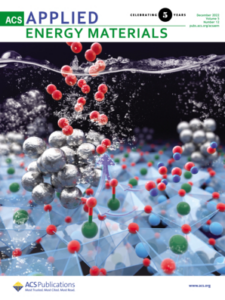
Dasgupta, Shyantan; Żuraw, Wiktor; Ahmad, Taimoor; Castriotta, Luigi Angelo; Radicchi, Eros; Mróz, Wojciech; Ścigaj, Mateusz; Pawlaczyk, Łukasz; Tamulewicz-Szwajkowska, Magdalena; Trzciński, Marek; Serafińczuk, Jarosław; Mosconi, Edoardo; Carlo, Aldo Di; Angelis, Filippo De; Dudkowiak, Alina; Wojciechowski, Konrad
Modification of a buried interface with bulky organic cations for highly stable flexible perovskite solar cells Journal Article
In: ACS Appl. Energy Mater., vol. 5, iss. 12, pp. 15114-15124, 2022.
@article{,

title = {Modification of a buried interface with bulky organic cations for highly stable flexible perovskite solar cells},

author = {Shyantan Dasgupta and Wiktor Żuraw and Taimoor Ahmad and Luigi Angelo Castriotta and Eros Radicchi and Wojciech Mróz and Mateusz Ścigaj and Łukasz Pawlaczyk and Magdalena Tamulewicz-Szwajkowska and Marek Trzciński and Jarosław Serafińczuk and Edoardo Mosconi and Aldo Di Carlo and Filippo De Angelis and Alina Dudkowiak and Konrad Wojciechowski},

doi = {10.1021/acsaem.2c02780},

year  = {2022},

date = {2022-12-11},

urldate = {2022-12-11},

journal = {ACS Appl. Energy Mater.},

volume = {5},

issue = {12},

pages = {15114-15124},

publisher = {American Chemical Society (ACS)},

abstract = {Flexible perovskite solar cells triggered a vast interest within the scientific community, thanks to their broad commercialization prospects. However, the stability of these devices still poses one of the major concerns on the way to rapid industrial deployment. Here, we demonstrate an effective strategy to improve the technical aspects of this technology, improving the reliability and efficiency values of these devices. We apply large organic ammonium molecules for modifying a buried interface between a hole-transporting layer (HTL) and perovskite-absorbing material. With the 4-fluorophenethylammonium iodide (FPEAI), we achieve 18.66% efficiency for the large-area (1 cm2) flexible solar cell, a significant improvement over the pristine device without modification. The applied passivation strategy results in a better hole extraction and reduced nonradiative recombination loss at the buried interface. Moreover, we demonstrate the formation of low-dimensional perovskite phases in the vicinity of the hole-transporting material upon the incorporation of large ammonium cations. This results in a significantly enhanced thermal and light-soaking stability of fabricated devices. We obtained no loss in 1000 h of aging at 85 °C, no loss in 1000 h of light soaking at open circuit, and less than 10% drop in 1000 h of operation at maximum power point for the optimized passivation treatment with the FPEAI. We also demonstrate a method for monitoring the structural stability of perovskite thin films upon prolonged illumination, ensued by the amount of molecular iodine being released from the layer.},

keywords = {},

pubstate = {published},

tppubtype = {article}

}
Tim, Beata; Rojewska, Monika; Prochaska, Krystyna
Effect of silica microparticles on interactions in mono- and multicomponent membranes Journal Article
In: International Journal of Molecular Sciences, vol. 23, iss. 21, pp. 12822-12838, 2022.
@article{,

title = {Effect of silica microparticles on interactions in mono- and multicomponent membranes},

author = {Beata Tim and Monika Rojewska and Krystyna Prochaska},

doi = {10.3390/ijms232112822},

year  = {2022},

date = {2022-10-24},

urldate = {2022-10-24},

journal = {International Journal of Molecular Sciences},

volume = {23},

issue = {21},

pages = {12822-12838},

publisher = {MDPI AG},

abstract = {Advancing our understanding of the mechanism of the interaction between inhaled pollutant microparticles and cell membrane components is useful to study the impact of fine particulate matter on human health. In this paper, we focus on the effect of cholesterol (Chol) molecules on the surface properties of a model membrane in the presence of silica microparticles (MPs). Mixed monolayers containing phospholipid-dipalmitoylphosphatidylcholine (DPPC), Chol and silica particle dispersions (MPs; 0.033% w/w, 0.33% w/w and 0.83% w/w) were formed and studied using the Langmuir monolayer technique complemented by Brewster Angle Microscopy (BAM) images. It was shown that Chol caused a condensation of the DPPC monolayer, which influenced the penetration of MPs and their interactions with the model membrane. The relaxation experiments of the lipid–MP monolayer proved that the presence of Chol molecules in the monolayer led to the formation of lipid and MP complexes. Strong interactions between Chol and MPs contributed to the formation of more stable monolayers. The presented results can be useful to better comprehend the interaction between particulate materials and the lipid components of biomembranes.},

keywords = {},

pubstate = {published},

tppubtype = {article}

}
Piosik, Emilia; Kotkowiak, Michal; Modlińska, Anna; Chełminiak-Dudkiewicz, Dorota; Ziegler-Borowska, Marta
In: The Journal of Physical Chemistry C, vol. 126, iss. 42, pp. 18100-18114, 2022.
@article{,

title = {Development of aminated chitosan-functionalized magnetite nanoparticles enriched with zinc phthalocyanine: Detailed Photophysical and Model Cell Membrane Studies},

author = {Emilia Piosik and Michal Kotkowiak and Anna Modlińska and Dorota Chełminiak-Dudkiewicz and Marta Ziegler-Borowska},

doi = {10.1021/acs.jpcc.2c04758},

year  = {2022},

date = {2022-10-14},

urldate = {2022-10-14},

journal = {The Journal of Physical Chemistry C},

volume = {126},

issue = {42},

pages = {18100-18114},

publisher = {American Chemical Society (ACS)},

abstract = {Stimuli-induced anticancer therapies based on remotely activated nanoagents have drawn a great deal of attention as attractive alternatives to conventional therapies. The rapid development of nanomaterial functionalization in the past few decades has allowed for the tailoring of hybrid nanoagents with dual anticancer activity and the simultaneous application of two complementary stimuli-triggered therapies, enhancing a therapeutic effect. In this study, the synthesis and characterization of the novel aminated chitosan-coated magnetite nanoparticles (MNPs) with zinc(II) phthalocyanine (ZnPc) immobilized on their surface are presented. The synthetized ZnPc-MNPs combine the superparamagnetic properties of MNPs and the photosensitizing potential of ZnPc, which makes them promising nanomaterials with application potential in dual anticancer therapy based on hyperthermia and photodynamic effects. To understand and describe the mechanism of the ZnPc-MNPs action at the molecular level, we used a variety of surface approaches. Analytical techniques provided information on the structure, morphology, and size of the obtained ZnPc-MNPs. The stationary and time-resolved spectroscopy methods showed that the immobilization of the photosensitizer on the MNP surface boosts its photophysical parameters important from a photodynamic therapy point of view. Because of the decrease in the fraction of excitation energy exchange into heat of the ZnPc-MNPs, the singlet oxygen generation quantum yield increased to 0.57, improving its anticancer activity. Moreover, it was shown that ZnPc immobilized on the MNP surface does not aggregate even despite aggregation of the ZnPc-MNPs. As a result, ZnPc preserves its spectral properties beneficial for a photosensitizer. Finally, the effect of the ZnPc-MNPs on model cell membranes formed by applying a Langmuir technique was studied. The studies performed indicate that the MNPs introduced into the phospholipid monolayer at low concentrations do not significantly disturb its thermodynamic state, or the domain structure, which is promising in terms of their biocompatibility.},

keywords = {},

pubstate = {published},

tppubtype = {article}

}

Krakowiak, Rafał; Frankowski, Robert; Mylkie, Kinga; Kotkowiak, Michal; Mlynarczyk, Dariusz T.; Dudkowiak, Alina; Stanisz, Beata J.; Zgoła-Grześkowiak, Agnieszka; Ziegler-Borowska, Marta; Goslinski, Tomasz
In: Journal of Environmental Chemical Engineering, vol. 10, iss. 5, pp. 108432-108449, 2022.
@article{,

title = {Titanium(IV) oxide nanoparticles functionalized with various meso-porphyrins for efficient photocatalytic degradation of ibuprofen in UV and visible light},

author = {Rafał Krakowiak and Robert Frankowski and Kinga Mylkie and Michal Kotkowiak and Dariusz T. Mlynarczyk and Alina Dudkowiak and Beata J. Stanisz and Agnieszka Zgoła-Grześkowiak and Marta Ziegler-Borowska and Tomasz Goslinski},

doi = {10.1016/j.jece.2022.108432},

year  = {2022},

date = {2022-08-13},

urldate = {2022-08-13},

journal = {Journal of Environmental Chemical Engineering},

volume = {10},

issue = {5},

pages = {108432-108449},

publisher = {Elsevier BV},

abstract = {Hybrid materials based on nanometric size bare anatase titanium(IV) oxide and meso-functionalized porphyrins

were obtained and subsequently characterized in terms of surface morphology with SEM, HR-TEM, nanoparticle

size with NTA, crystallinity with XRD and chemical composition with UV-DRS, ATR-FTIR, TGA and Raman

spectroscopy. Prepared nanoparticles were studied in photocatalytic degradation of ibuprofen which is an

example of an emerging contaminant from the area of pharmaceuticals. During photocatalytic tests, the materials

were irradiated with four different wavelengths from UV and visible light ranges. Photocatalytic activity of

hybrid materials was compared with bare titanium(IV) oxide and, in the case of said materials, the activity was

dependent on the peripheral substituents of porphyrins with different anchoring groups and the wavelengths

used for irradiation. For the UV light range tests, hybrid materials showed similar or higher photoactivity in

photodegradation of ibuprofen (average 83% and 87% reduction of initial ibuprofen concentration) when

compared to bare titanium(IV) oxide (86% reduction). The hybrid materials showed adequate photoactivity

(29% and 43% reduction) in the ibuprofen photodegradation study under visible light, unlike bare titanium(IV)

oxide (zero activity). Acute toxicities of hybrid materials were studied using Microtox. },

keywords = {},

pubstate = {published},

tppubtype = {article}

}
were obtained and subsequently characterized in terms of surface morphology with SEM, HR-TEM, nanoparticle
size with NTA, crystallinity with XRD and chemical composition with UV-DRS, ATR-FTIR, TGA and Raman
spectroscopy. Prepared nanoparticles were studied in photocatalytic degradation of ibuprofen which is an
example of an emerging contaminant from the area of pharmaceuticals. During photocatalytic tests, the materials
were irradiated with four different wavelengths from UV and visible light ranges. Photocatalytic activity of
hybrid materials was compared with bare titanium(IV) oxide and, in the case of said materials, the activity was
dependent on the peripheral substituents of porphyrins with different anchoring groups and the wavelengths
used for irradiation. For the UV light range tests, hybrid materials showed similar or higher photoactivity in
photodegradation of ibuprofen (average 83% and 87% reduction of initial ibuprofen concentration) when
compared to bare titanium(IV) oxide (86% reduction). The hybrid materials showed adequate photoactivity
(29% and 43% reduction) in the ibuprofen photodegradation study under visible light, unlike bare titanium(IV)
oxide (zero activity). Acute toxicities of hybrid materials were studied using Microtox.
Kotkowiak, Mateusz; Piasecki, Adam; Kotkowiak, Michal; Buchwald, Tomasz
The mechanism of wear reduction in the Ni-CaF2 composite material: Raman and confocal microscopy insights Journal Article
In: Materials, vol. 15, iss. 16, pp. 5501-5517, 2022.
@article{,

title = {The mechanism of wear reduction in the Ni-CaF2 composite material: Raman and confocal microscopy insights},

author = {Mateusz Kotkowiak and Adam Piasecki and Michal Kotkowiak and Tomasz Buchwald},

doi = {10.3390/ma15165501},

year  = {2022},

date = {2022-08-10},

urldate = {2022-08-10},

journal = {Materials},

volume = {15},

issue = {16},

pages = {5501-5517},

publisher = {MDPI AG},

abstract = {A powder metallurgy process was used to produce high temperature self-lubricating composites based on Ni, with varying content of calcium fluoride (10 wt.% and 20 wt.%). The wear properties of the samples were investigated by a pin-on-disc test at elevated temperature, up to 600 °C. Aside from standard techniques for the sample characterization, confocal microscopy and micro-Raman spectroscopy were used for the first time for this type of sample. These methods were used to examine the changes in topography and to detect the distribution of the tribofilm on sample surfaces. The addition of solid lubricant particles decreased the coefficient of friction and improved the tribological properties, because of the tribofilm which formed on sample surfaces.},

keywords = {},

pubstate = {published},

tppubtype = {article}

}

Biadasz, Andrzej; Kotkowiak, Michal; Lukawski, Damian; Jadwizak, Jakub; Rytel, Karol; Kedzierski, Kamil
A versatile gas transmission device with precise humidity control for QCM humidity sensor characterizations Journal Article
In: Measurement, vol. 200, pp. 111674-111682, 2022.
@article{,

title = {A versatile gas transmission device with precise humidity control for QCM humidity sensor characterizations},

author = {Andrzej Biadasz and Michal Kotkowiak and Damian Lukawski and Jakub Jadwizak and Karol Rytel and Kamil Kedzierski},

doi = {10.1016/j.measurement.2022.111674},

year  = {2022},

date = {2022-07-22},

urldate = {2022-07-22},

journal = {Measurement},

volume = {200},

pages = {111674-111682},

publisher = {Elsevier BV},

abstract = {Previously, several high-sensitivity and inexpensive humidity sensors with rapid response times have been reported. However, obtaining reliable humidity characteristics of highly sensitive devices, such as quartz crystal microbalance (QCM) sensors, requires the development of new, affordable gas transmission setups. With that in mind, we developed a novel, comprehensive gas transmission system that combined elements from two commonly used systems (saturated salts and gas mixing), which facilitated automatic gas humidity changes, reliable gas flows in closed measurement chambers, and limited the influence of the external atmosphere/pollutants. The gas transmission device performance was tested using a commercial digital hygrometer and highly sensitive QCM coated with graphene oxide for six different humidity sets in range 5.3–82.6% RH. The dynamic repeatability tests proved the superb stability of the system, as QCM frequency deviation did not exceed 2% of frequency shifts among ten switching cycles (one hour each). Therefore, this system allowed a thorough investigation of humidity sensors properties in a controlled environment with a high precision.},

keywords = {},

pubstate = {published},

tppubtype = {article}

}
Kałużny, Jarosław; Świetlicka, Aleksandra; Wojciechowski, Łukasz; Boncel, Sławomir; Kinal, Grzegorz; Runka, Tomasz; Nowicki, Marek; Stepanenko, Oleksandr; Gapiński, Bartosz; Leśniewicz, Joanna; Blaszkiewicz, Paulina; Kempa, Krzysztof
Machine learning approach for application-tailored nanolubricants’ design Journal Article
In: Nanomaterials, vol. 12, no. 10, pp. 1765-1782, 2022.
@article{,

title = {Machine learning approach for application-tailored nanolubricants’ design},

author = {Jarosław Kałużny and Aleksandra Świetlicka and Łukasz Wojciechowski and Sławomir Boncel and Grzegorz Kinal and Tomasz Runka and Marek Nowicki and Oleksandr Stepanenko and Bartosz Gapiński and Joanna Leśniewicz and Paulina Blaszkiewicz and Krzysztof Kempa},

doi = {10.3390/nano12101765},

year  = {2022},

date = {2022-05-22},

urldate = {2022-05-22},

journal = {Nanomaterials},

volume = {12},

number = {10},

pages = {1765-1782},

publisher = {MDPI AG},

abstract = {The fascinating tribological phenomenon of carbon nanotubes (CNTs) observed at the nanoscale was confirmed in our numerous macroscale experiments. We designed and employed CNT-containing nanolubricants strictly for polymer lubrication. In this paper, we present the experiment characterising how the CNT structure determines its lubricity on various types of polymers. There is a complex correlation between the microscopic and spectral properties of CNTs and the tribological parameters of the resulting lubricants. This confirms indirectly that the nature of the tribological mechanisms driven by the variety of CNT–polymer interactions might be far more complex than ever described before. We propose plasmonic interactions as an extension for existing models describing the tribological roles of nanomaterials. In the absence of quantitative microscopic calculations of tribological parameters, phenomenological strategies must be employed. One of the most powerful emerging numerical methods is machine learning (ML). Here, we propose to use this technique, in combination with molecular and supramolecular recognition, to understand the morphology and macro-assembly processing strategies for the targeted design of superlubricants.},

keywords = {},

pubstate = {published},

tppubtype = {article}

}
Ahmad, Taimoor; Dasgupta, Shyantan; Almosni, Samy; Dudkowiak, Alina; Wojciechowski, Konrad
Encapsulation protocol for flexible perovskite solar cells enabling stability in accelerated aging tests Journal Article
In: Energy & Eniviromental Mateirals, vol. 6, iss. 5, pp. e12434-e12442, 2022.
@article{,

title = {Encapsulation protocol for flexible perovskite solar cells enabling stability in accelerated aging tests},

author = {Taimoor Ahmad and Shyantan Dasgupta and Samy Almosni and Alina Dudkowiak and Konrad Wojciechowski},

doi = {10.1002/eem2.12434},

year  = {2022},

date = {2022-05-21},

urldate = {2023-09-00},

journal = {Energy & Eniviromental Mateirals},

volume = {6},

issue = {5},

pages = {e12434-e12442},

publisher = {Wiley},

abstract = {Flexible perovskite solar cells (f‐PSCs) offer attractive commercial prospects in the near future, enabled by new value propositions, such as mechanical flexibility, or high specific powers. The long‐term reliability of these devices requires appropriate encapsulation to prevent degradation caused by environmental factors. Here, a lamination protocol is developed, incorporating adhesive materials, barrier foils, and edge sealants, which results in a robust device hermitization. By applying the developed procedure to three different perovskite solar cell configurations (p‐i‐n with carbon, p‐i‐n with silver, and n‐i with carbon), fabricated with large active areas (1 cm<jats:sup>2</jats:sup>), the universality of this approach is demonstrated. The best devices preserved over 85% of the initial performance after a sequence of accelerated aging tests based on industry standards (compliant with the IEC 61215 and IEC 61646) comprised of 1400 h of damp heat, 50 thermal cycles, and 10 cycles of the humidity‐freeze test.},

keywords = {},

pubstate = {published},

tppubtype = {article}

}

Kołodziejczak-Radzimska, Agnieszka; Bielejewski, Michał; Biadasz, Andrzej; Jesionowski, Teofil
Evaluation of MxOy/fucoidan hybrid system and their application in lipase immobilization process Journal Article
In: Scientific Reports, vol. 12, no. 1, pp. 7218-7231, 2022.
@article{,

title = {Evaluation of MxOy/fucoidan hybrid system and their application in lipase immobilization process},

author = {Agnieszka Kołodziejczak-Radzimska and Michał Bielejewski and Andrzej Biadasz and Teofil Jesionowski},

doi = {10.1038/s41598-022-11319-0},

year  = {2022},

date = {2022-05-04},

urldate = {2022-12-00},

journal = {Scientific Reports},

volume = {12},

number = {1},

pages = {7218-7231},

publisher = {Springer Science and Business Media LLC},

abstract = {In this work, new MxOy/fucoidan hybrid systems were fabricated and applied in lipase immobilization. Magnesium (MgO) and zirconium (ZrO2) oxides were used as MxOy inorganic matrices. In the first step, the proposed oxides were functionalized with fucoidan from Fucus vesiculosus (Fuc). The obtained MgO/Fuc and ZrO2/Fuc hybrids were characterized by means of spectroscopic analyses, including Fourier transform infrared spectroscopy, X-ray photoelectron spectroscopy, and nuclear magnetic resonance. Additionally, thermogravimetric analysis was performed to determine the thermal stability of the hybrids. Based on the results, the mechanism of interaction between the oxide supports and fucoidan was also determined. Furthermore, the fabricated MxOy/fucoidan hybrid materials were used as supports for the immobilization of lipase from Aspergillus niger, and a model reaction (transformation of p-nitrophenyl palmitate to p-nitrophenol) was performed to determine the catalytic activity of the proposed biocatalytic system. In that reaction, the immobilized lipase exhibited high apparent and specific activity (145.5 U/gcatalyst and 1.58 U/mgenzyme for lipase immobilized on MgO/Fuc; 144.0 U/gcatalyst and 2.03 U/mgenzyme for lipase immobilized on ZrO2/Fuc). The immobilization efficiency was also confirmed using spectroscopic analyses (FTIR and XPS) and confocal microscopy.},

keywords = {},

pubstate = {published},

tppubtype = {article}

}
Łukawski, Damian; Hochmańska-Kaniewska, Patrycja; Janiszewska, Dominika; Wróblewski, Grzegorz; Patmore, Jeff; Lekawa-Raus, Agnieszka
Enriching WPCs and NFPCs with carbon nanotubes and graphene Journal Article
In: Polymers, vol. 14, iss. 4, pp. 745-766, 2022.
@article{,

title = {Enriching WPCs and NFPCs with carbon nanotubes and graphene},

author = {Damian Łukawski and Patrycja Hochmańska-Kaniewska and Dominika Janiszewska and Grzegorz Wróblewski and Jeff Patmore and Agnieszka Lekawa-Raus},

doi = {10.3390/polym14040745},

year  = {2022},

date = {2022-02-15},

urldate = {2022-02-15},

journal = {Polymers},

volume = {14},

issue = {4},

pages = {745-766},

publisher = {MDPI AG},

abstract = {Carbon nanotubes (CNTs) and graphene, with their unique mechanical, electrical, thermal, optical, and wettability properties, are very effective fillers for many types of composites. Recently, a number of studies have shown that CNTs and graphene may be integrated into wood–plastic composites (WPCs) and natural-fibre-reinforced polymer composites (NFPCs) to improve the existing performance of the WPCs/NFPCs as well as enabling their use in completely new areas of engineering. The following review analyses the results of the studies presented to date, from which it can be seen that that inclusion of CNTs/graphene may indeed improve the mechanical properties of the WPCs/NFPCs, while increasing their thermal conductivity, making them electroconductive, more photostable, less sensitive to water absorption, less flammable, and more thermally stable. This study indicates that the composition and methods of manufacturing of hybrid WPCs/NFPCs vary significantly between the samples, with a consequent impact on the level of improvement of specific properties. This review also shows that the incorporation of CNTs/graphene may enable new applications of WPCs/NFPCs, such as solar thermal energy storage devices, electromagnetic shielding, antistatic packaging, sensors, and heaters. Finally, this paper recognises key challenges in the study area, and proposes future work.},

keywords = {},

pubstate = {published},

tppubtype = {article}

}
Tim, Beata; Blaszkiewicz, Paulina; Kotkowiak, Michal
Altering model cell membranes by means of photoactivated organic functionalized gold nanorods Journal Article
In: Journal of Molecular Liquids, vol. 349, pp. 119179-119186, 2022.
@article{,

title = {Altering model cell membranes by means of photoactivated organic functionalized gold nanorods},

author = {Beata Tim and Paulina Blaszkiewicz and Michal Kotkowiak},

doi = {10.1016/j.molliq.2021.118179},

year  = {2022},

date = {2022-02-04},

urldate = {2022-02-04},

journal = {Journal of Molecular Liquids},

volume = {349},

pages = {119179-119186},

publisher = {Elsevier BV},

abstract = {A possible non-invasive photothermal therapy employs photothermal agents with high light-to-heat conversion efficiency. Gold nanorods (Au-NRs) can be applied as photothermal agents because of their optical properties and specific tumor-targeting capability. The potential therapeutic applications and toxicological effects of photothermal agents depend on the interaction of the Au-NRs with the cell membrane, the understanding of which is of great importance. Although studies in this area have been performed, the interactions between model cell membranes and photoactivated Au-NRs have not yet been described. In this study, we explain how local excitation of the Au-NRs caused a local temperature increase in their vicinity that affected the properties of a model membrane composed of dipalmitoylphosphatidylcholine (DPPC). Our results showed that the illumination of the Au-NRs changed the DPPC’s organization in the Langmuir monolayer. Upon photoactivation, the mutual distances between the DPPC molecules increased; however, the conformation of the lipid tails remained unchanged. Moreover, the illumination of the membrane at a surface pressure corresponding to that in a native cellular membrane caused a more stable and elastic behavior of the Langmuir monolayer. The results obtained corroborate the theory that photoactivation of Au-NRs influences the packing and phase behavior of mimetic cell membranes. In the long term, it may allow us to understand how the photoactivation of nanoparticles facilitates the transport of medicinal substances.},

keywords = {},

pubstate = {published},

tppubtype = {article}

}
Rytel, Karol; Kedzierski, Kamil; Barszcz, Boleslaw; Biadasz, Andrzej; Majrzycki, Lukasz; Wrobel, Danuta
In: Journal of Molecular Liquids, vol. 350, pp. 118548-118556, 2022.
@article{,

title = {The influence of zinc phthalocyanine on the formation and properties of multiwalled carbon nanotubes thin films on the air–solid and air–water interface},

author = {Karol Rytel and Kamil Kedzierski and Boleslaw Barszcz and Andrzej Biadasz and Lukasz Majrzycki and Danuta Wrobel},

doi = {10.1016/j.molliq.2022.118548},

year  = {2022},

date = {2022-01-19},

urldate = {2022-01-19},

journal = {Journal of Molecular Liquids},

volume = {350},

pages = {118548-118556},

publisher = {Elsevier BV},

abstract = {The influence of zinc phthalocyanine (PC) on the formation and properties of multiwalled carbon nanotube (MWCNT) Langmuir films was studied. The mixtures of PC and MWCNT at different concentrations were prepared and used to obtain films on the air–solid and air–water interface. The excess Gibbs energy, excess areas and the area fraction covered by the mixtures components were determined for mixed systems at various surface pressures. For the mass fractions of MWCNT lower than 0.9, the interactions between the mixture components were attractive, while for the MWCNT mass fractions higher than 0.9, they were repulsive. Analysis of the area fractions and fluorescence images revealed three stages of filling the MWCNT films with PC. In the first stage, the PC filled the area between the MWCNT and started to form inclusions in the MWCNT film structure. In the second stage, gradual increase in the PC inclusion size with increasing PC concentration was observed. In the third stage, continuous PC films were formed. These observations were further confirmed by the calculation of electrical percolation threshold.},

keywords = {},

pubstate = {published},

tppubtype = {article}

}
Rojewska, M.; Tim, B.; Prochaska, K.
Interactions between silica particles and model phospholipid monolayers Journal Article
In: Journal of Molecular Liquids, vol. 345, pp. 116999-117009, 2022.
@article{,

title = {Interactions between silica particles and model phospholipid monolayers},

author = {M. Rojewska and B. Tim and K. Prochaska},

doi = {10.1016/j.molliq.2021.116999},

year  = {2022},

date = {2022-01-05},

urldate = {2022-01-00},

journal = {Journal of Molecular Liquids},

volume = {345},

pages = {116999-117009},

publisher = {Elsevier BV},

abstract = {The rapid increase in the air pollution level observed in recent years is considered to be one of the main social and economic problems due to the strong direct influence on living organisms. From the point of view of proper prophylaxis, explanation of the mechanism of the impact of suspended dust particles (PMs ≤ 10 µm) on model biological membranes at the molecular level is becoming increasingly important. In this work, we present the effects of the quantity and distribution of solid silica particles on the properties of Langmuir monolayers formed by the main phospholipids of biological membranes, i.e. 1,2-dipalmitoyl-sn-glycerol-3-phosphocholine (DPPC) and 1-palmitoyl-2-oleoyl-sn-glycero-3-phospho-ethanolamine (POPE). Dispersions of silica particles (0.1%, 1.0% and 2.5%) have been added to the DPPC or POPE to form a mixed monolayer and investigated using a combination of Langmuir trough technique and Brewster Angle Microscopy (BAM). This study shows that the presence of silica particles (PMs) affects the run of the surface pressure–area (π–A) isotherm, leading to a different phase behaviour of the monolayer and it also has an impact on the lipid membrane morphology. Moreover, relaxation experiments of the phospholipid-PMs monolayer were performed to determine the influence of both concentration and distribution of silica particles on the stability of phospholipid membrane.},

keywords = {},

pubstate = {published},

tppubtype = {article}

}
2021

Barszcz, Bolesław; Starodub, Tetiana N.; Mizera, Adam; Świetlik, Roman; Rytel, Karol; Iaroshenko, Viktor O.; Starodub, Vladimir A.
Structure, optical and electro-physical properties of tetramerized anion-radical salt (N-Xy-Qn)(TCNQ)2 Journal Article
In: Spectrochimica Acta Part A: Molecular and Biomolecular Spectroscopy, vol. 270, pp. 120822-120834, 2021.
@article{,

title = {Structure, optical and electro-physical properties of tetramerized anion-radical salt (N-Xy-Qn)(TCNQ)2},

author = {Bolesław Barszcz and Tetiana N. Starodub and Adam Mizera and Roman Świetlik and Karol Rytel and Viktor O. Iaroshenko and Vladimir A. Starodub},

doi = {10.1016/j.saa.2021.120822},

year  = {2021},

date = {2021-12-31},

urldate = {2022-04-00},

journal = {Spectrochimica Acta Part A: Molecular and Biomolecular Spectroscopy},

volume = {270},

pages = {120822-120834},

publisher = {Elsevier BV},

abstract = {The (N-Xy-Qn)(TCNQ)2 anion-radical salt characterized by tetramerized stacks of the TCNQ acceptor molecules has been synthesized and characterized using vibrational spectroscopy and electrical resistivity measurements. The bond lengths analysis based on the crystal structure data, indicates that the TCNQ molecules are non-uniformly charged with −0.83 e localized on the inner B molecules and −0.33 e on the outer A molecules within ABBA tetramers. Both infrared and Raman spectra of (N-Xy-Qn)(TCNQ)2 are dominated by vibrational modes of TCNQ and display splitting related to the tetramerized structure. Many of these features are affected by the strong electron-molecular vibration (EMV) coupling. Other charge-sensitive modes allowed estimation of charge localized on TCNQ, with the results that confirm the charges estimated on basis of the crystal data. Electrical measurements revealed the low-conducting behavior with room temperature conductivity value of 2.6 mS cm−1 and temperature dependence of resistivity that can be explained within the band conduction model. The calculated activation energies range from 0.169 eV to 0.187 eV, depending on the crystallographic direction and thermal history of the sample.},

keywords = {},

pubstate = {published},

tppubtype = {article}

}
Blaszkiewicz, Paulina; Kotkowiak, Michal; Coy, Emerson; Dudkowiak, Alina
Tailoring fluorescence and singlet oxygen generation of a chlorophyll derivative and gold nanorods via a silica shell Journal Article
In: The Journal of Physical Chemistry C, vol. 124, iss. 3, pp. 2088-2095, 2021.
@article{,

title = {Tailoring fluorescence and singlet oxygen generation of a chlorophyll derivative and gold nanorods via a silica shell},

author = {Paulina Blaszkiewicz and Michal Kotkowiak and Emerson Coy and Alina Dudkowiak},

doi = {10.1021/acs.jpcc.9b08204},

year  = {2021},

date = {2021-12-31},

urldate = {2021-12-31},

journal = {The Journal of Physical Chemistry C},

volume = {124},

issue = {3},

pages = {2088-2095},

publisher = {American Chemical Society (ACS)},

abstract = {Gold nanorods deserve special attention as they exhibit tunable longitudinal localized surface plasmon resonances (LSPRs). In our study, gold nanorods of the aspect ratio of 2.25 (maximum of LSPR band at 660 nm) and of controllable SiO2 thickness in the range of 6–14 nm were mixed with pheophorbide (chlorophyll derivative) in order to create a hybrid system. Energy transfer and singlet oxygen generation were studied for different SiO2 thicknesses of the nanorod shell. The spectral properties of the hybrid mixture were characterized, and the overlapping of the pheophorbide fluorescence and the longitudinal LSPR band of nanorods on the fluorescence emission, energy transfer, and generation of singlet oxygen were studied. Two independent approaches were used to determine the quantum yield and enhanced factor of singlet oxygen generation. For a certain thickness of the SiO2 shell and for certain concentrations of gold nanorods, the effect of the plasmon-enhanced singlet oxygen production was observed. Moreover, the enhanced of singlet oxygen yield enhancement was correlated with the far-field optical properties of the gold nanorods. The results obtained indicate the significance of further studies of dye-photosensitizers in hybrid mixtures, taking into account the spectral overlap between dye emission and longitudinal LSPR bands as well as the character of coatings (type and thickness) and scattering yields of gold nanorods.},

keywords = {},

pubstate = {published},

tppubtype = {article}

}
Tim, Beata; Blaszkiewicz, Paulina; Kotkowiak, Michal
Recent advances in metallic nanoparticle assemblies for surface-enhanced spectroscopy Journal Article
In: International Journal of Molecular Sciences, vol. 23, no. 1, pp. 291, 2021.
@article{,

title = {Recent advances in metallic nanoparticle assemblies for surface-enhanced spectroscopy},

author = {Beata Tim and Paulina Blaszkiewicz and Michal Kotkowiak},

doi = {10.3390/ijms23010291},

year  = {2021},

date = {2021-12-28},

urldate = {2021-12-28},

journal = {International Journal of Molecular Sciences},

volume = {23},

number = {1},

pages = {291},

publisher = {MDPI AG},

abstract = {Robust and versatile strategies for the development of functional nanostructured materials often focus on assemblies of metallic nanoparticles. Research interest in such assemblies arises due to their potential applications in the fields of photonics and sensing. Metallic nanoparticles have received considerable recent attention due to their connection to the widely studied phenomenon of localized surface plasmon resonance. For instance, plasmonic hot spots can be observed within their assemblies. A useful form of spectroscopy is based on surface-enhanced Raman scattering (SERS). This phenomenon is a commonly used in sensing techniques, and it works using the principle that scattered inelastic light can be greatly enhanced at a surface. However, further research is required to enable improvements to the SERS techniques. For example, one question that remains open is how to design uniform, highly reproducible, and efficiently enhancing substrates of metallic nanoparticles with high structural precision. In this review, a general overview on nanoparticle functionalization and the impact on nanoparticle assembly is provided, alongside an examination of their applications in surface-enhanced Raman spectroscopy.},

keywords = {},

pubstate = {published},

tppubtype = {article}

}